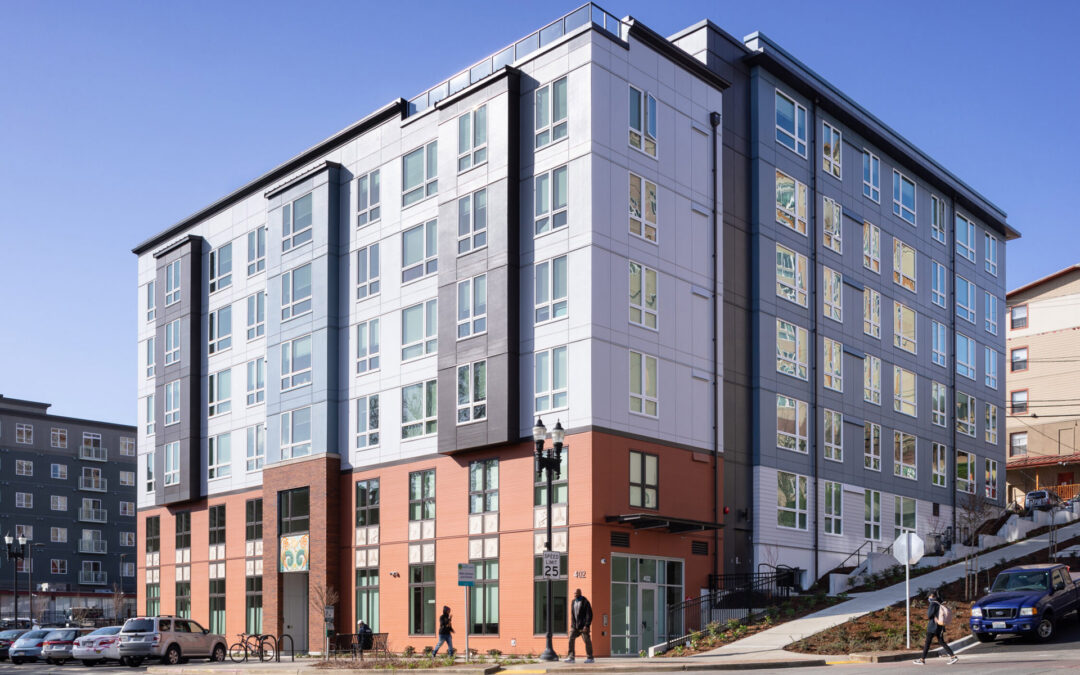
Tacoma, Washington is struggling with homelessness, but the Dorothy Height Apartments are taking a step in the right direction. The area, which declared a State of Public Health Emergency in 2017, is working to aid its people through outreach, shelters, and affordable housing options. Still, it is an ongoing issue.
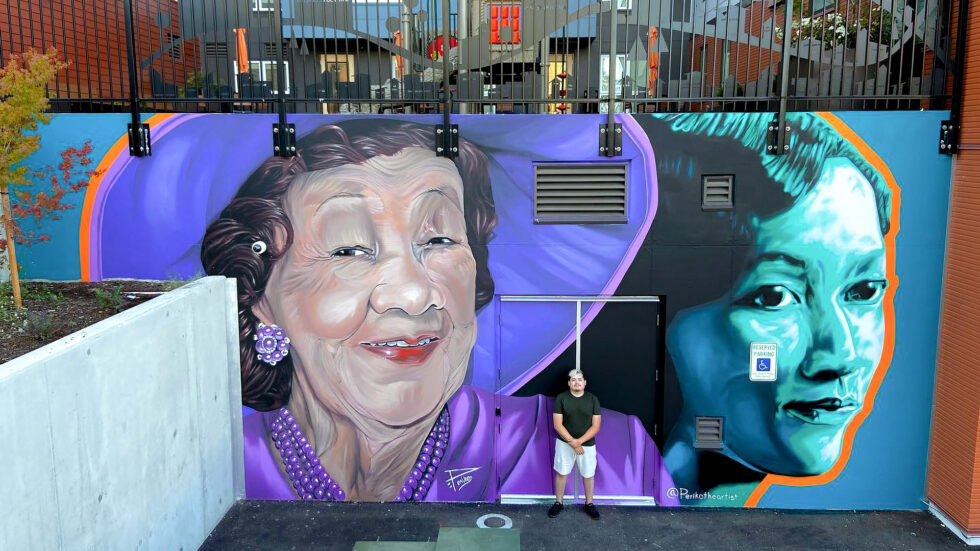
The YWCA Pierce County location (which serves over 15,000 adults and children annually) is doing its part to help, but also to shelter those suffering from domestic violence. The location’s CEO, Miriam Barnett, had an idea in mind for Home at Last for over a decade before this project came into fruition.
“Nothing else can happen on a healing journey until you feel safe,” Barnett said. Everyone deserves a home, and you just can’t get on with your life if you don’t have one.”
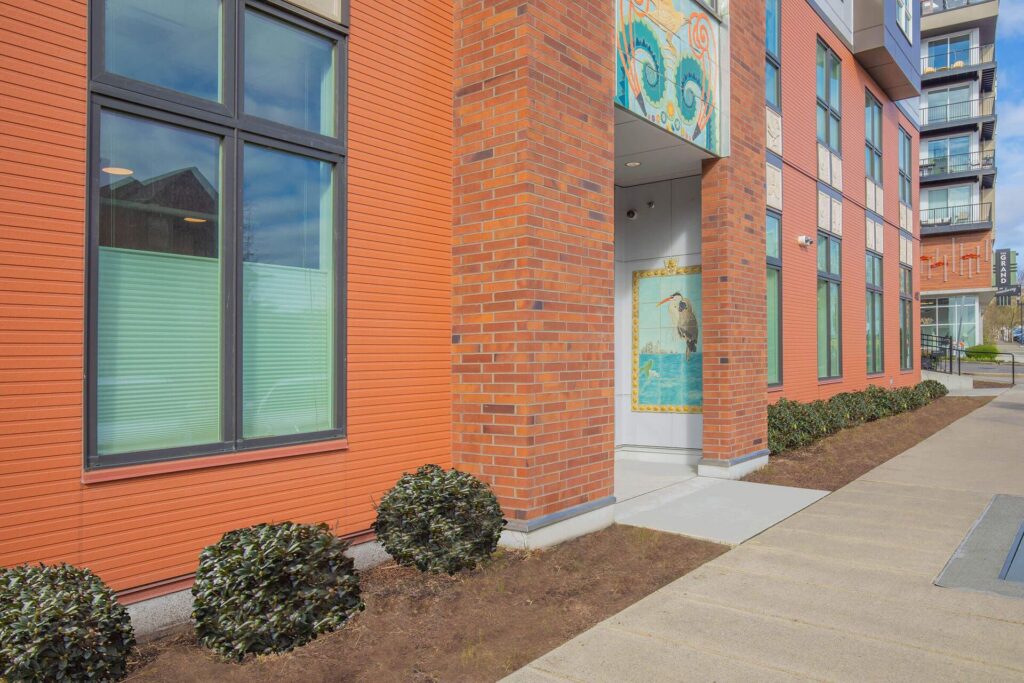
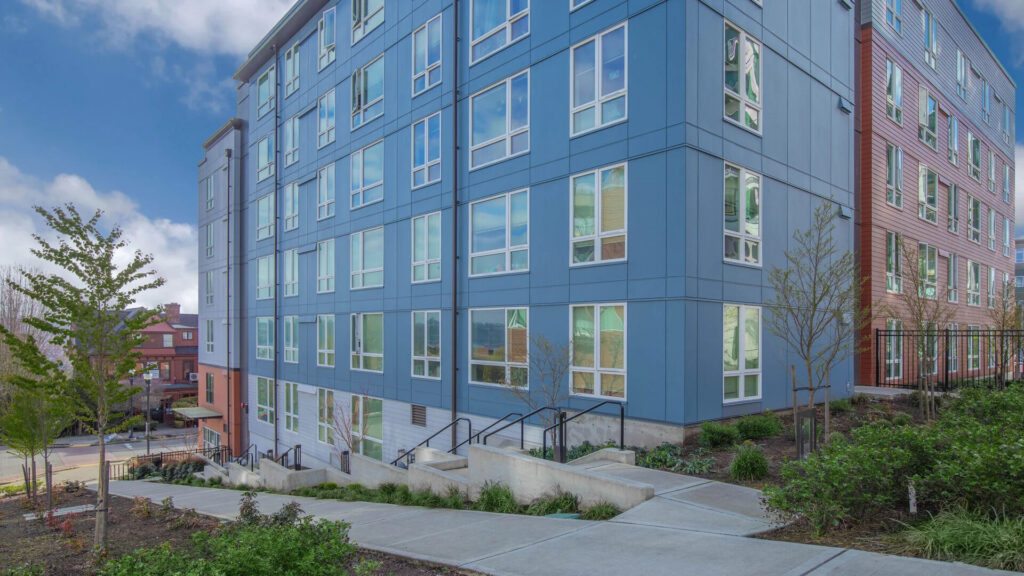
Barnett and her staff had previously spent $7,000 to house families and individuals in hotels in one year. Their options were limited. Instead of a shelter that would only temporarily house people, Barnett wanted to build a permanent home. With Home at Last and its new Dorothy Height Apartments, the YWCA has taken a space that was previously a parking lot and built a new apartment building for that cause.
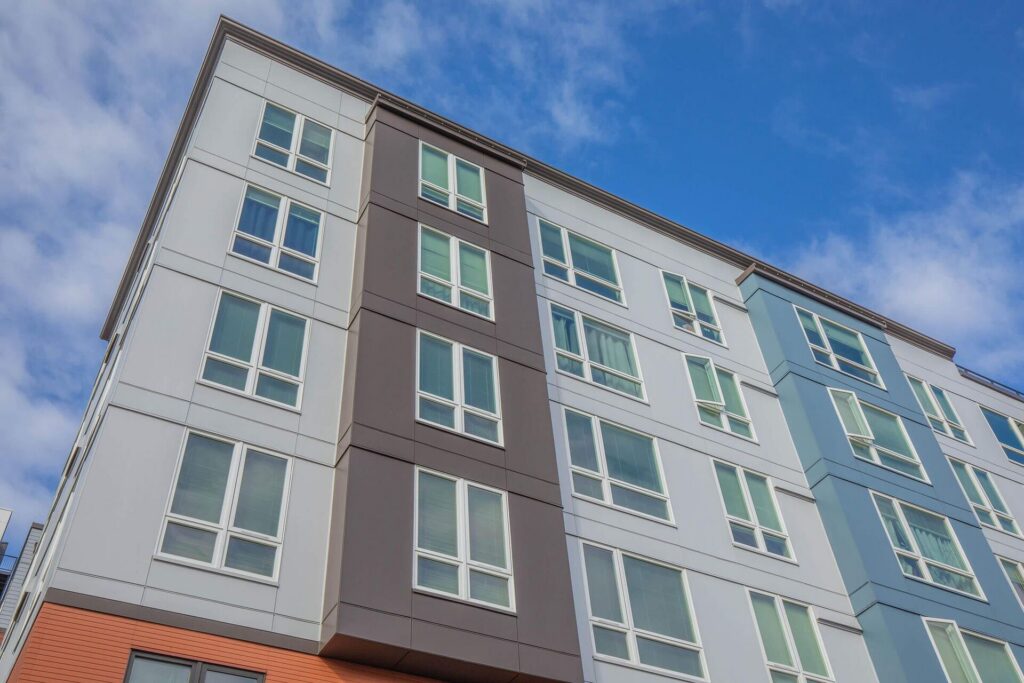
They’ve provided 54 low-cost apartments, with seventy-five percent of them reserved for those experiencing homelessness, and the rest for low-income families or those with disabilities and other complications that can impact their housing options. In addition, 30 of the units are connected to Section 8 housing vouchers. The studios, as well as one, two, and three-bedroom units, are at 30% and 50% area median income (or AMI – define).
$12.2
Million
Equity investment from Grow America
The project, which cost $25.1 million in total, included a $12.2 million equity investment from Grow America. It was a part of the nonprofits efforts to provide new construction of supportive housing to assist a community in need.
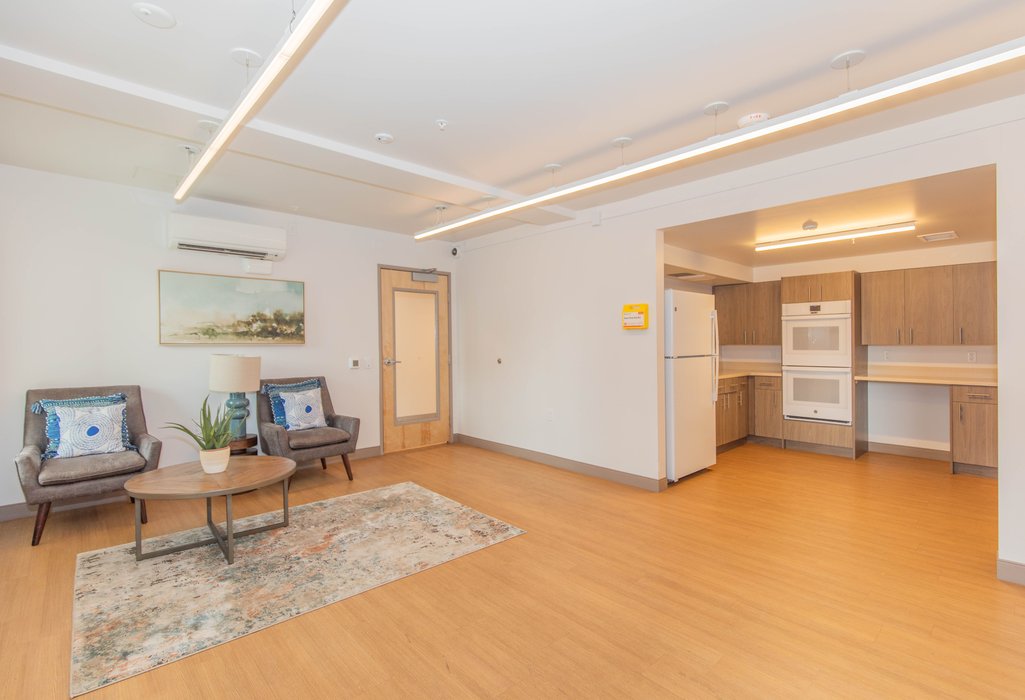
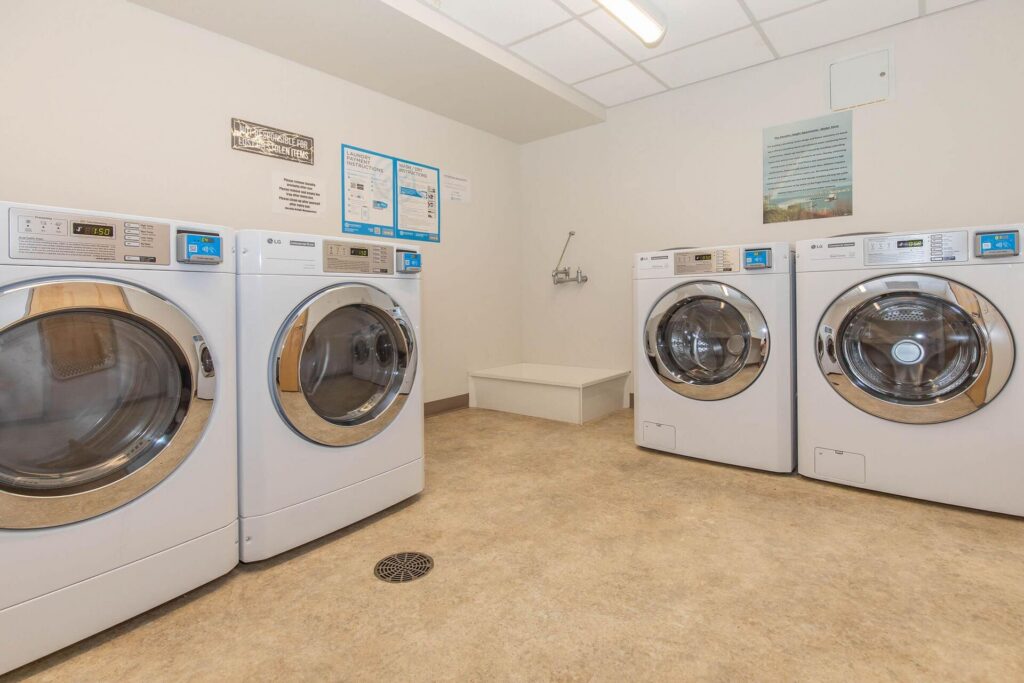
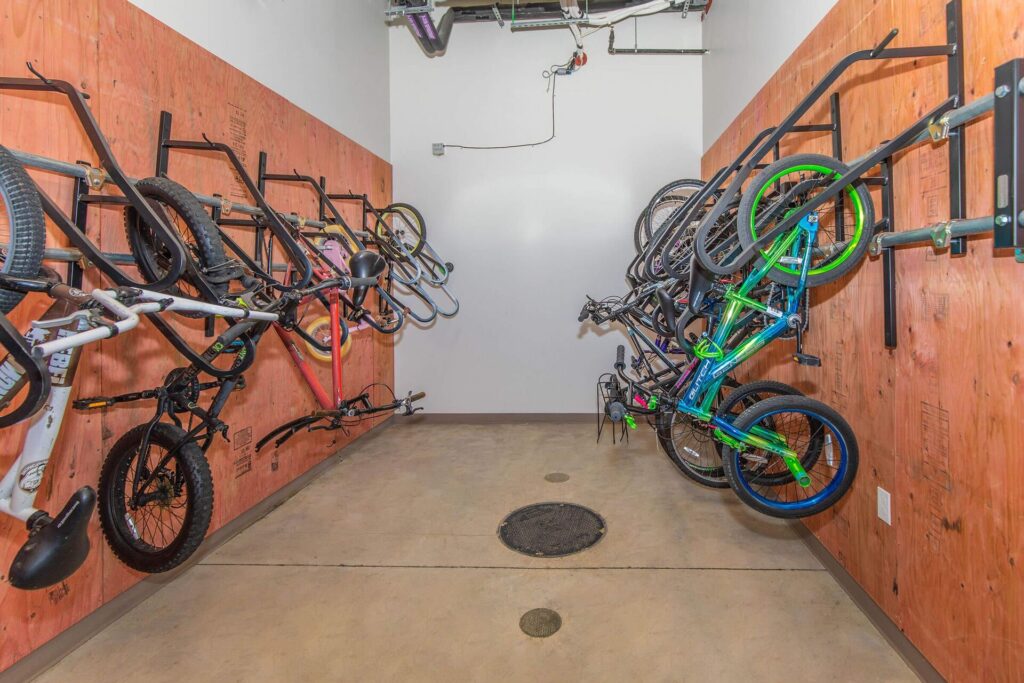
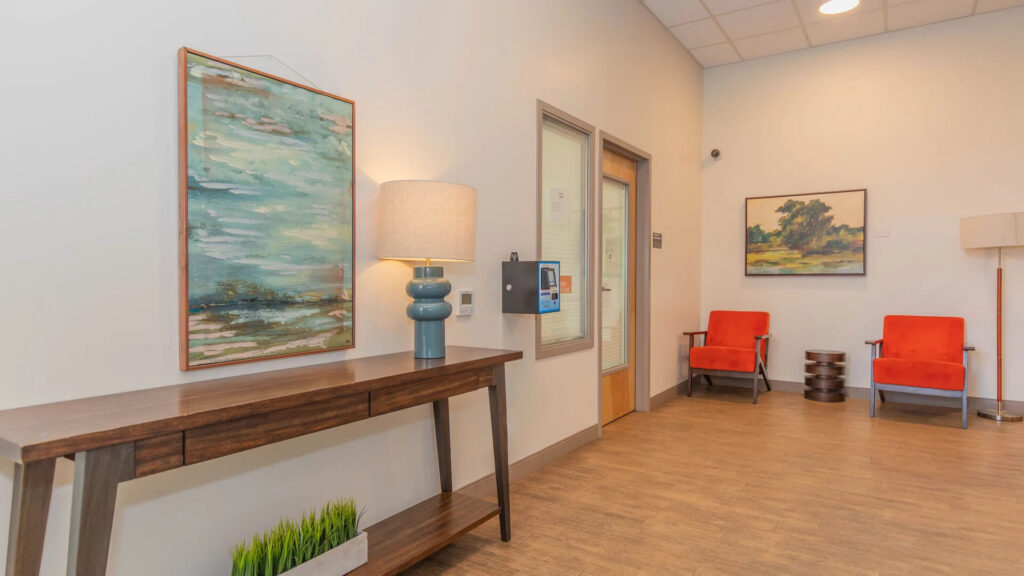
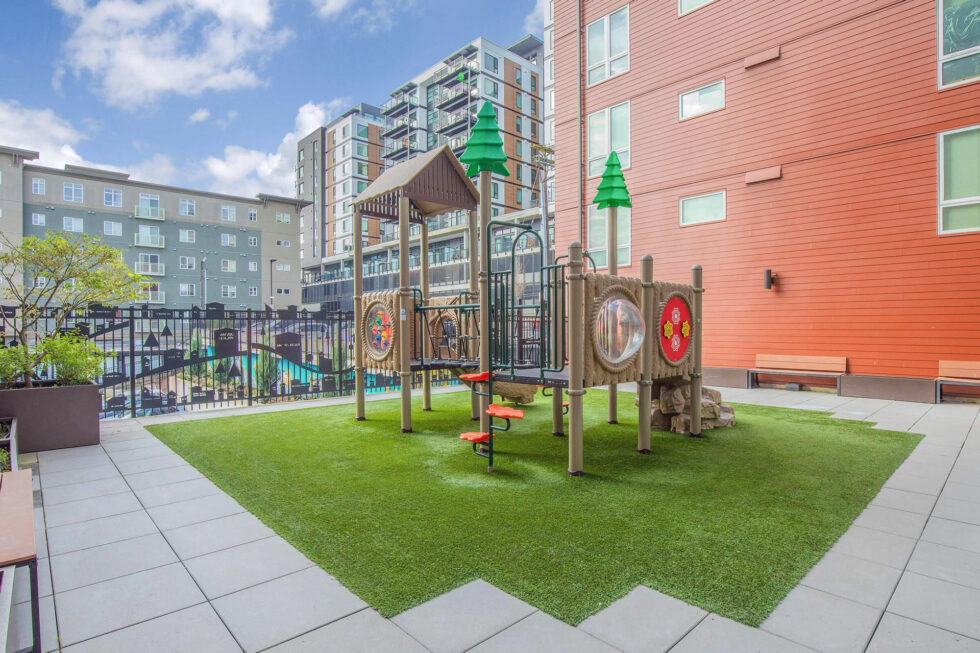
The location, across from the YWCA, includes a rooftop communal space with views of downtown Tacoma and Mount Rainier, in-unit kitchens with modern cabinet designs and lovely appliances, and a children’s play area to give its more than 40 kids a space to enjoy themselves.
One new resident, Danielle, had ended a harmful relationship and spent about a year living with friends, at her mother’s house, and sleeping in her car. When the family heard they were accepted into the building, there was screaming, crying, and plenty of joy.
“I don’t think I’ve ever seen her as happy as she was,” Danielle said of her seven-year-old (one of her three daughters). “Something good was finally happening to us.”
Barnett, who saw the project as the high point of her 16-year YWCA career, planned to retire after the completion of the project. She’s proud of the work that went into it, but also mentioned that it wasn’t always easy. At one point its funding was in jeopardy in the state budget, but Grow America’s investment was a crucial piece to help the project move forward.
“This project adds value not only to the residents, but to the greater community as a whole,” remarked the jury of the AIA Washington Council’s Civic Design Awards. The apartment building was given an honorable mention for program resolution during the award ceremony.
Having a safe and affordable place to live, where there is time to rest and heal, and where clients can have a stable foundation from which to rebuild their lives after experiencing trauma is what this project provides to the organization and to the mission.
Something good was finally happening to us
Danielle
Dorothy Height Apartments Resident
“I don’t ever want to move from here,” said Kimberly Mann, a woman in her 50s who had previously experienced homelessness and has since received the keys to a studio in the building. “I mean, it’s spectacular. I’m still in shock. I still have to pinch myself.”
This building is an important step in giving that stable foundation. It provides a full continuum of services, from crisis intervention to shelter and then permanent housing. This project completes this continuum by aligning the totality of the YWCA’s residential services with the long-term stability needs of clients.
From the ground