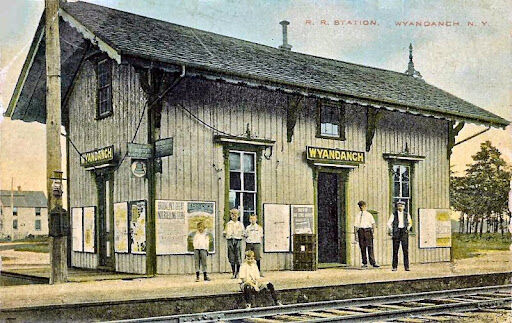
Wyandanch, a rail-centered Long Island hamlet in the Town of Babylon, New York, was struggling for a number of years. The area faced a number of social issues, having suffered from elevated crime and poverty rates that were not impacting other nearby neighborhoods in the same way.
To combat the social problems and rebuild the area, community leaders came up with a plan to restructure it into a more city-like and populated downtown than what had existed there before.
All these pieces will go hand in hand to help revitalize the place
Russell C. Albanese
chairman of the Albanese Organization
Through a Technical Assistance contract with Grow America, Kevin Gremse joined the project. As a field director for Grow America at the time (now, he is Grow America’s Managing Director of Technical Assistance for the Eastern United States), he provided the Town of Babylon with planning and financing expertise that helped to guide the complex project.
The contract helped Grow America and the local leadership to evaluate the financial feasibility of the development plans, select the most experienced and capable development team, and determine the most appropriate development tools to be used as part of a complex financial structure. Grow America guided the solicitation and selection of the development team for the targeted development site and assisted in negotiating the terms of the Land Disposition Agreement(s) for land made available to the development by the town.
$500
Million
From public and private funds
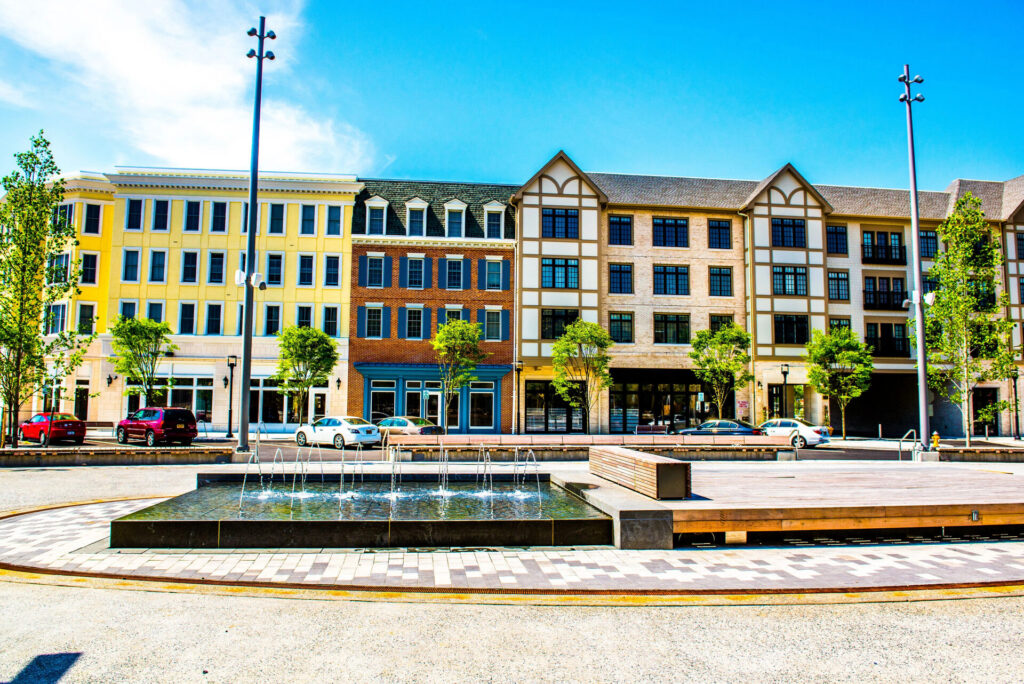
The project was known as Wyandanch Rising, and the area itself was renamed Wyandanch Village. The 142-acre project, which cost $500 million, was paid for with a combination of public and private funds, and included new stores, apartments, and offices where previously only stripmalls had existed. These, along with new streetlights and sidewalks, would provide many jobs to nearby residents and give a new look to the area. In 2013, groundbreaking had the project underway.
The apartment buildings include state of the art appliances, elevators, community spaces, green building protocols, fitness and laundry facilities, and much more. They provide local residents with affordable housing options in the center of the Wyandanch area, and with a one hour train ride into New York City.
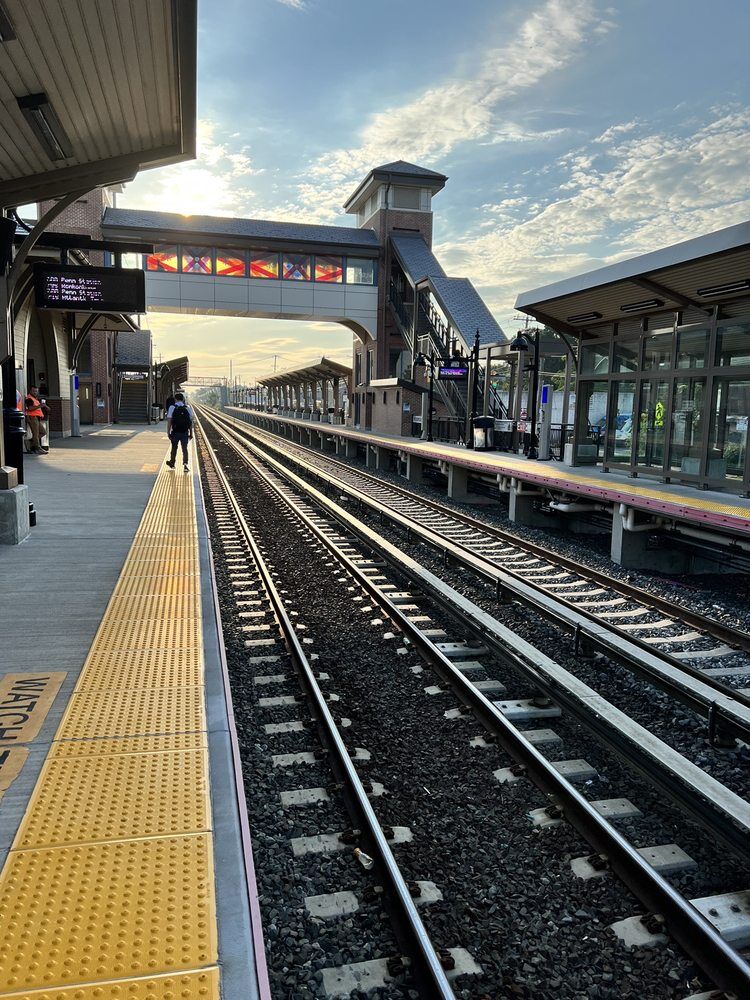
To best utilize Wyandanch’s resources, they based much of the planning around the region’s rail station for the Long Island Railroad (LIRR), including a rebuild of the existing station and the addition of a second rail line. This commuting route provides the residents with additional access to jobs, as well as a 500-car commuter parking garage.
To resuscitate these areas, “one of the best ways to do it is to take advantage of the fact that they are transportation hubs,” said Grant R. Saff, a geography professor at Hofstra University.

Advertising in the Wyandanch region after World War Two prompted the residents to use cars to travel to and from work. Ads promoting “wide paved streets” gave the idea that those who lived here could drive anywhere to access whatever their families needed. And when African American families were barred from segregated communities like Levittown, Wyandanch’s Carver Park (named for George Washington Carver) and other neighborhoods attracted them. As of the 2020 census, the Wyandanch area is predominantly made up of African American and Hispanic residents. However, the new developments came with the idea that residents would often walk to access what is now a more centralized town (and other towns and cities on the route) with a thriving railway.
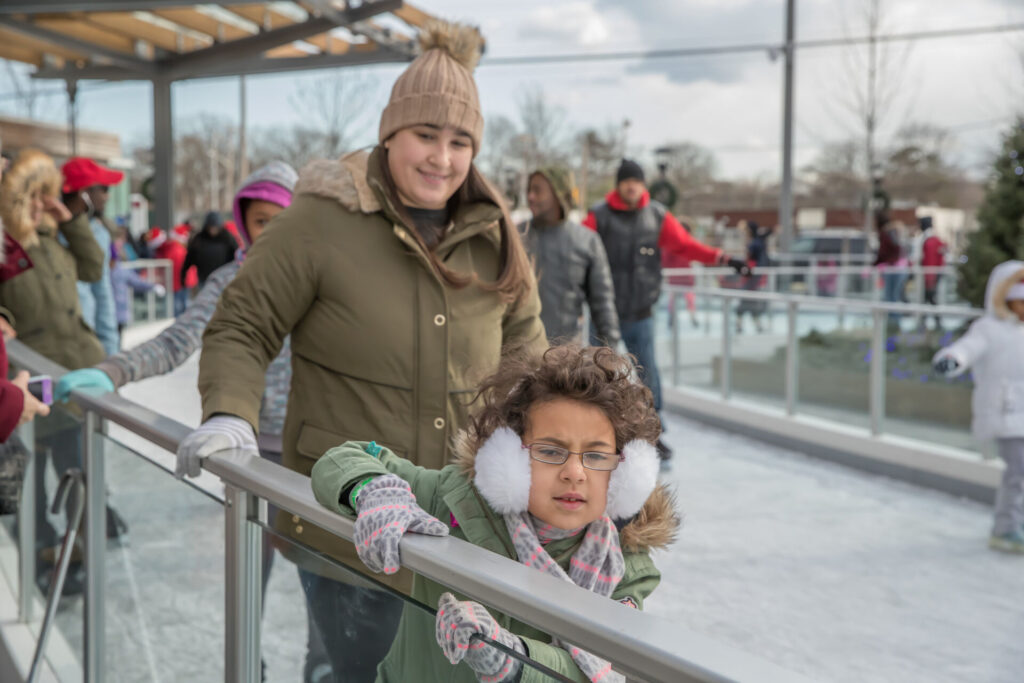
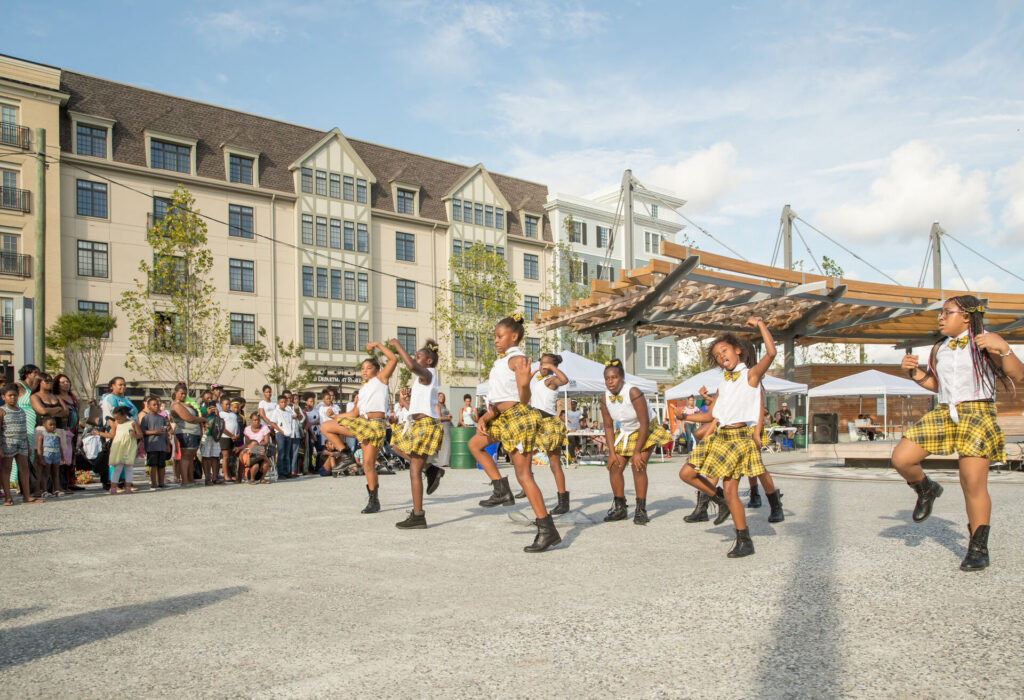
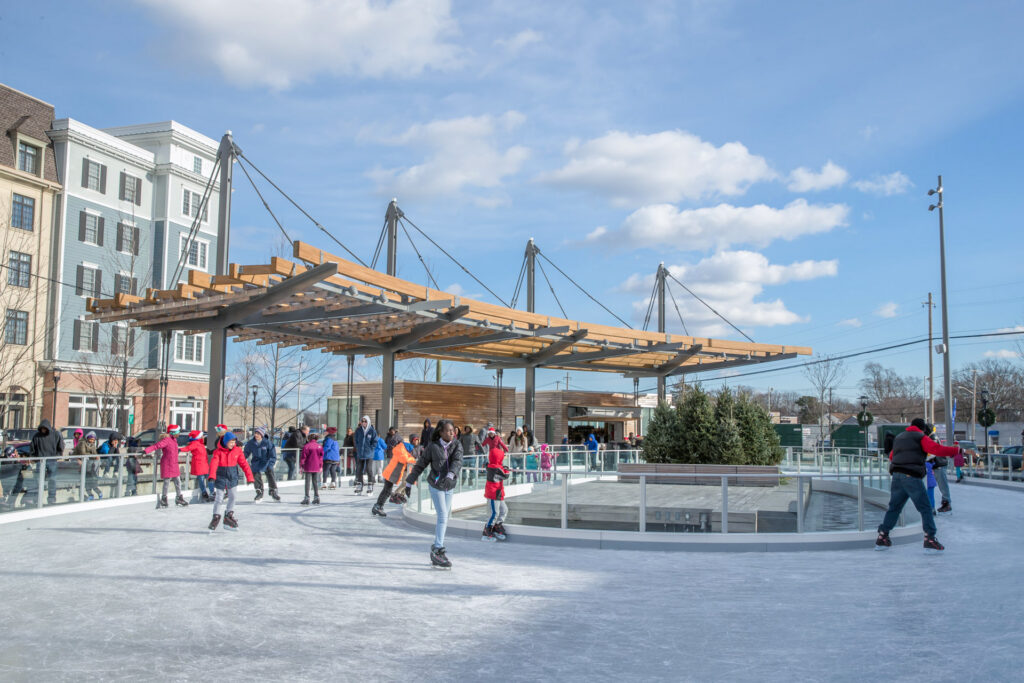
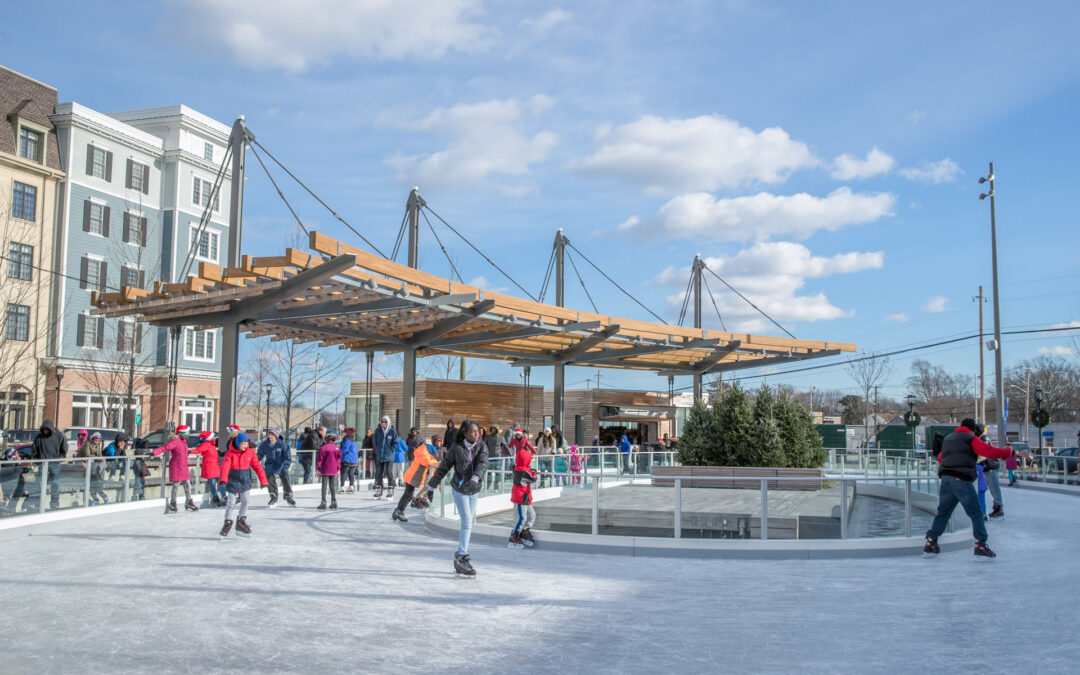
Public funds totalling $93 million (collected from local, state, and federal sources) were spent on the train station and similar improvements to the area. Guided by the principles of “smart growth” and aided by a diverse financing plan, the project also created 170 units of housing, 40,000 square feet of commercial space, and 100,000 square feet of commercial office and public spaces which include a public plaza, structured parking, and great improvements to the Geiger Lake Memorial public park that includes an ice skating rink. The area has now benefitted from new roads, sewers, and the creation of the Long Island Music Hall of Fame. The area
“All these pieces will go hand in hand to help revitalize the place,” said Russell C. Albanese, chairman of the Albanese Organization. Based on Long Island, Albanese Organization was the project developer.
The Town’s efforts were recognized by the State of New York, which designated Wyandanch as one of three “spotlight communities,” an initiative designed to demonstrate how existing state programs can support and complement local efforts to redevelop brownfields and achieve neighborhood revitalization and smart growth.
People were skeptical at first that this would ever happen, but every day something different and beautiful is happening there.
Kimberly Jean-Pierre Director of the Wyandanch Community Resource Center
From the ground