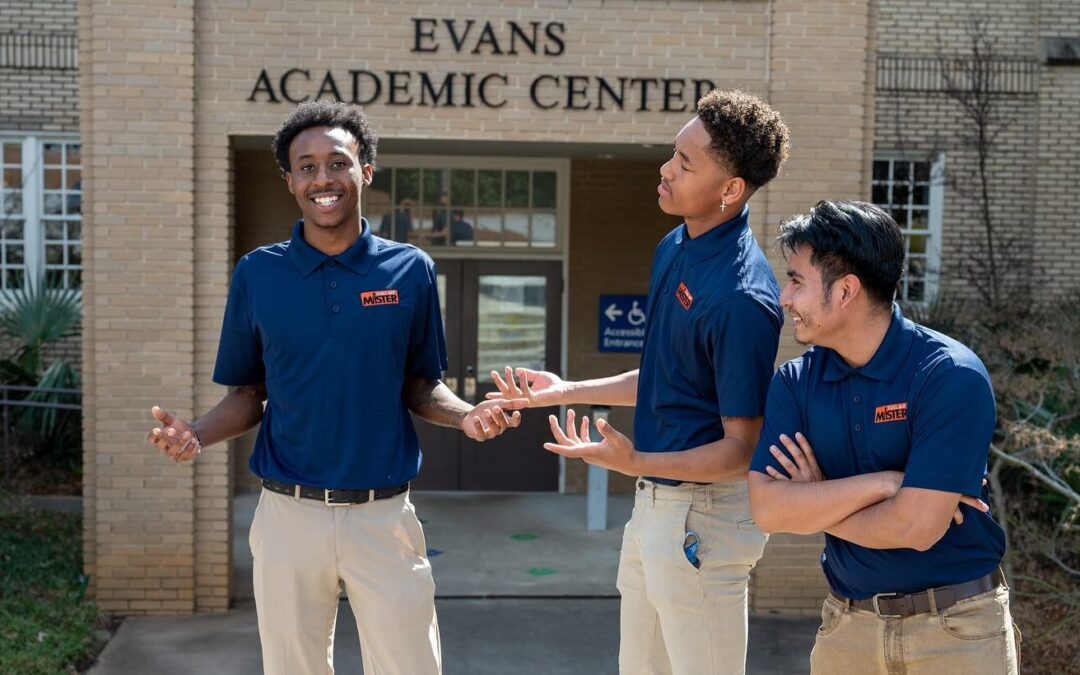
Throughout its history, the Evans Building has been a crucial piece of Spartanburg, South Carolina’s educational system, serving as a high school and junior high school for over 50 years, until 1978.
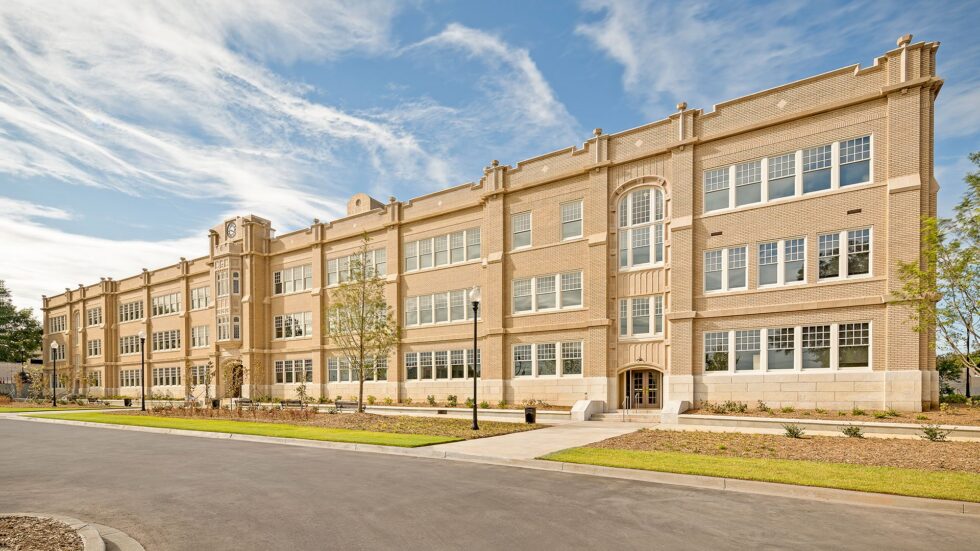
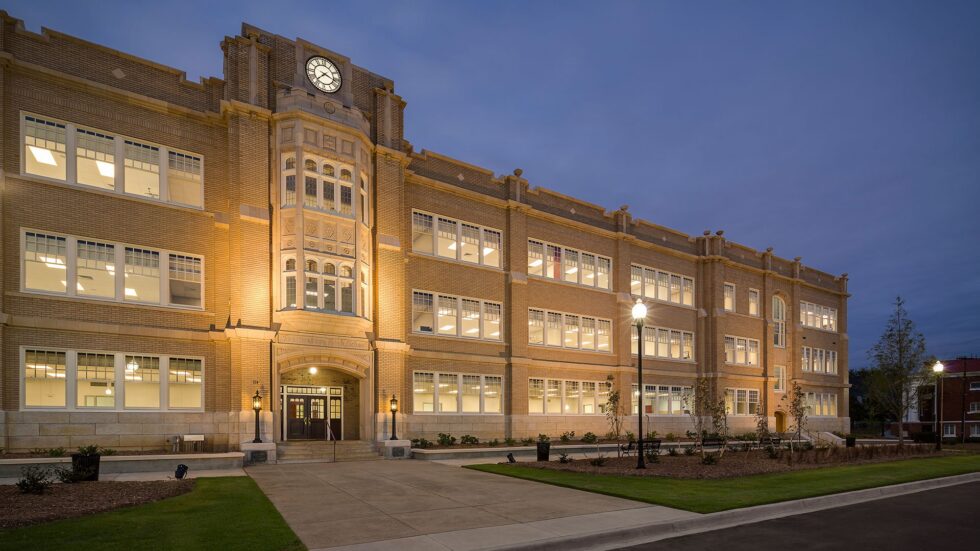
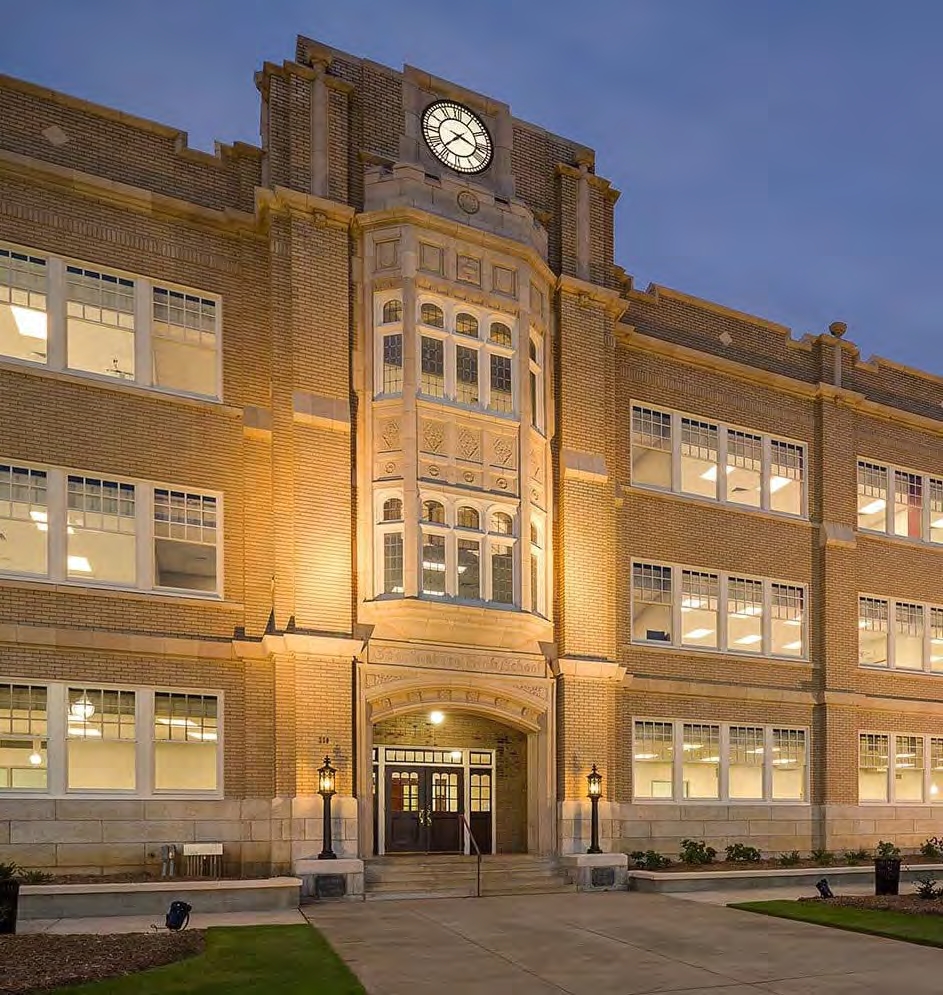
The building was constructed of wood in 1897, before its replacement by a new building in 1921. It was called the Frank Evans High School from 1922 to 1933 (named after a superintendent who worked in the area for almost 40 years), and its construction cost $300,000 at the time. This allowed for the inclusion of impressive brickwork and crown molding, with a dogwood blossom theme covering the exterior.
“In today’s dollars, we wouldn’t be able to afford it,” said Spartanburg Community College President Henry Giles. “It’s a grand structure.”
From 1933 to 1959 it was the Spartanburg High School. Then, from 1959 to 1978, it became the Evans Junior High School. Spartanburg County then used it as office space until 2011, when SCC purchased the 107,000-square-foot building in exchange for $3.34 million and the Dent Building on Fairforest Road.
SCC officials sought to restore the building to its stately appearance and incorporate it into their campus, and with the aid of Grow America, they received a New Markets Tax Credit Equity that filled the financing gap to restore the building. Grow America also helped to place the building on the National Register for Historic Places, deeming it worthy of preservation and protection.
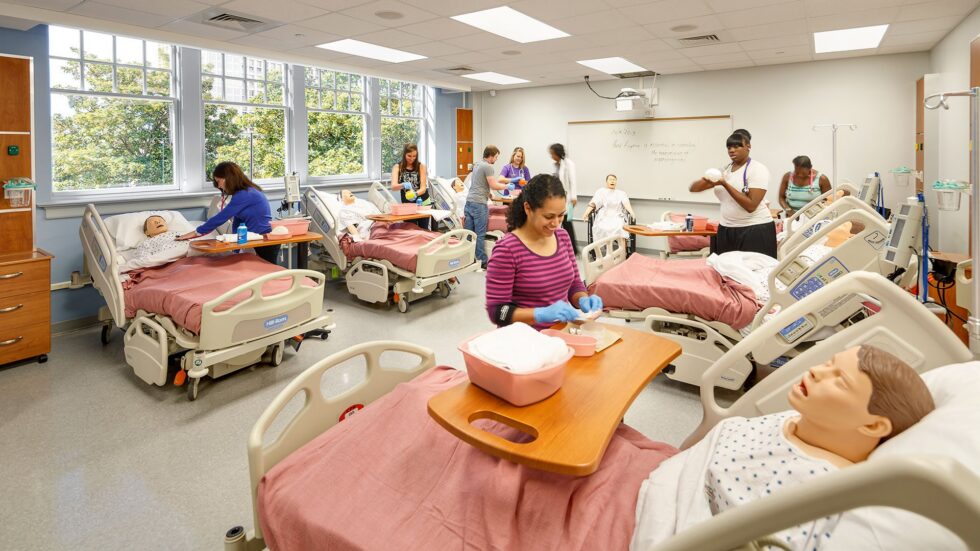
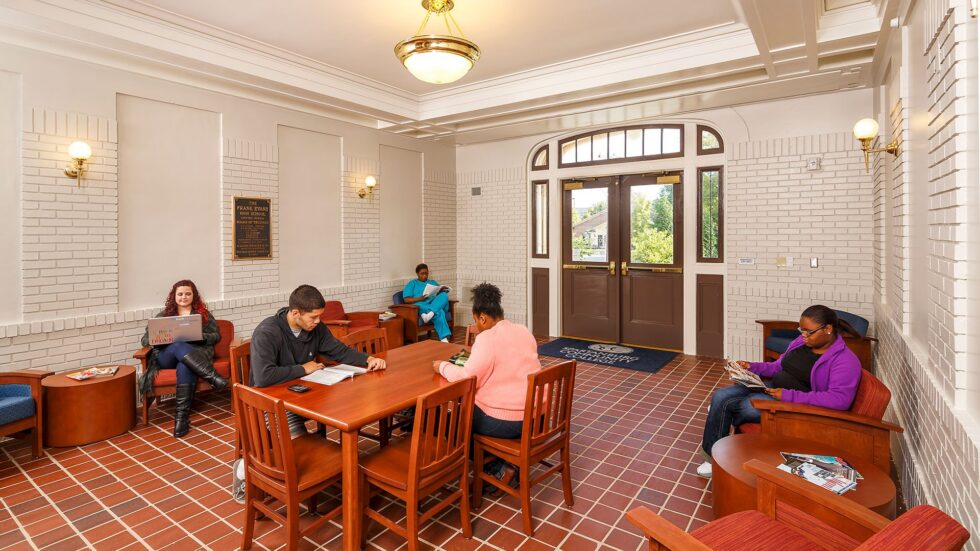
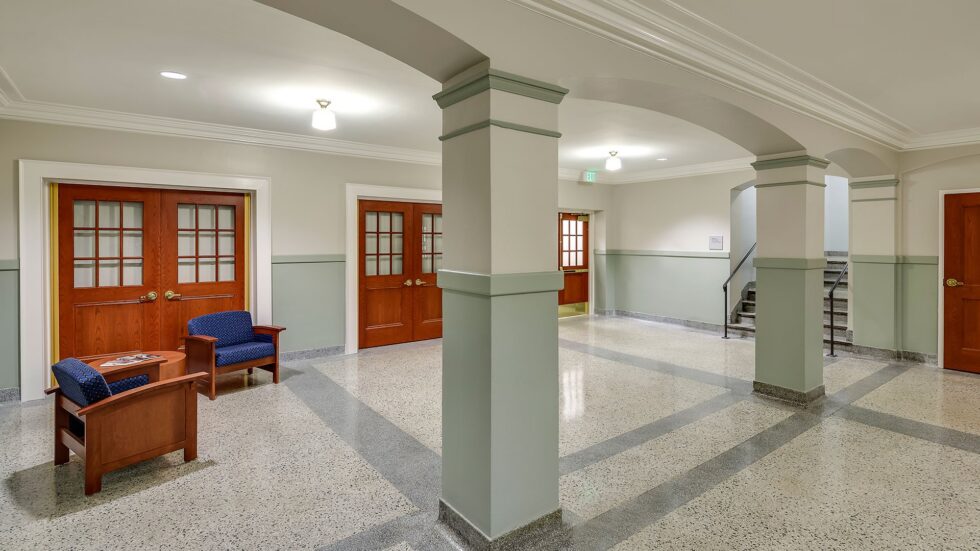
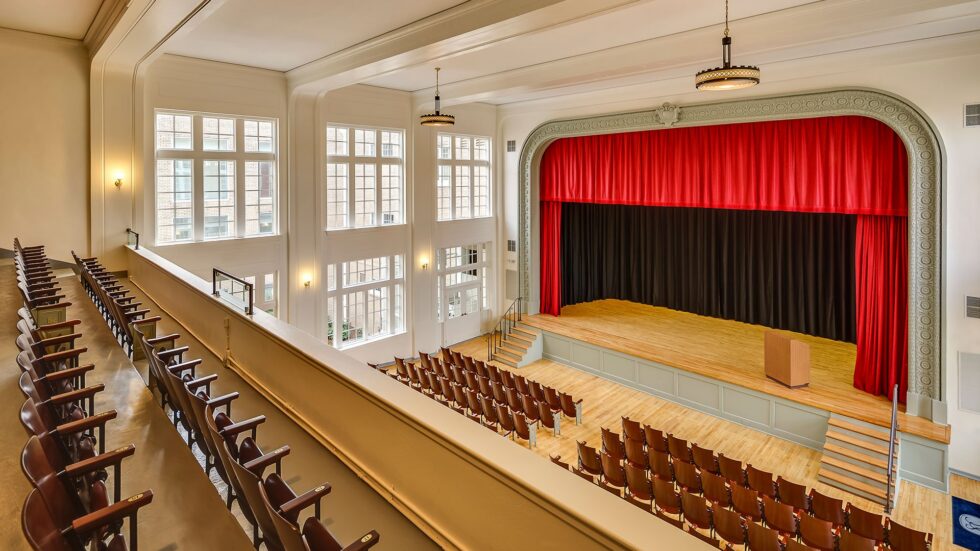
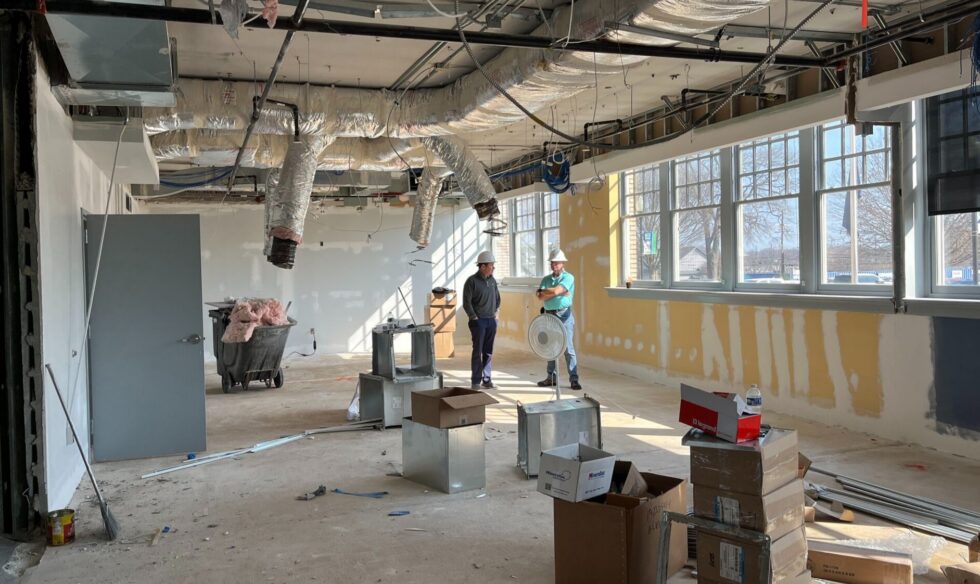
The restoration efforts replaced previously destroyed architectural features and were designed to preserve the history, while making it a piece of the greater SCC campus beyond.
“This is the way it looked,” Giles said of its restored touches. “It’s come back to life. This will equal or exceed any classroom we have on our central campus. And I think it would equal or exceed any classroom on any campus.”
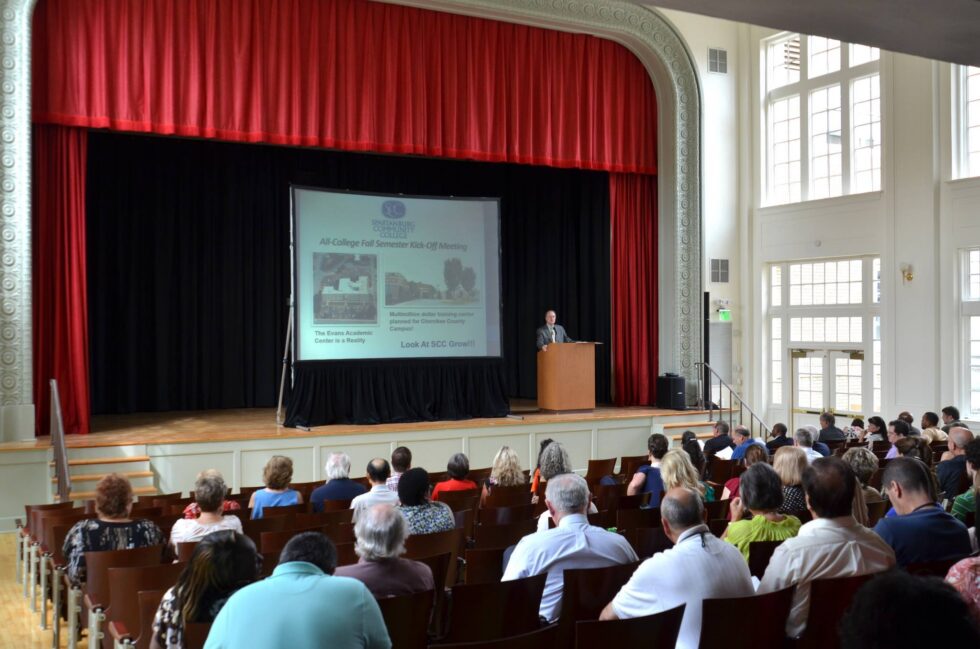
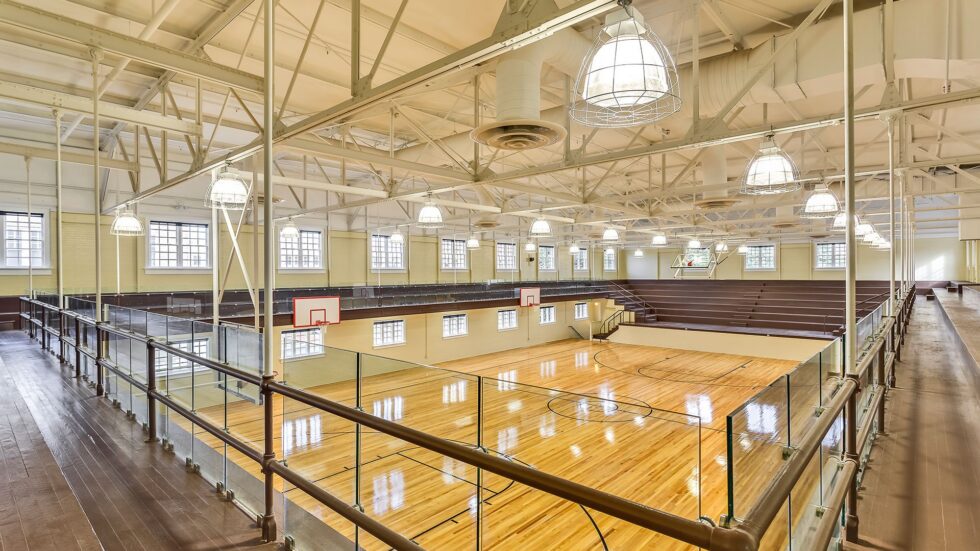
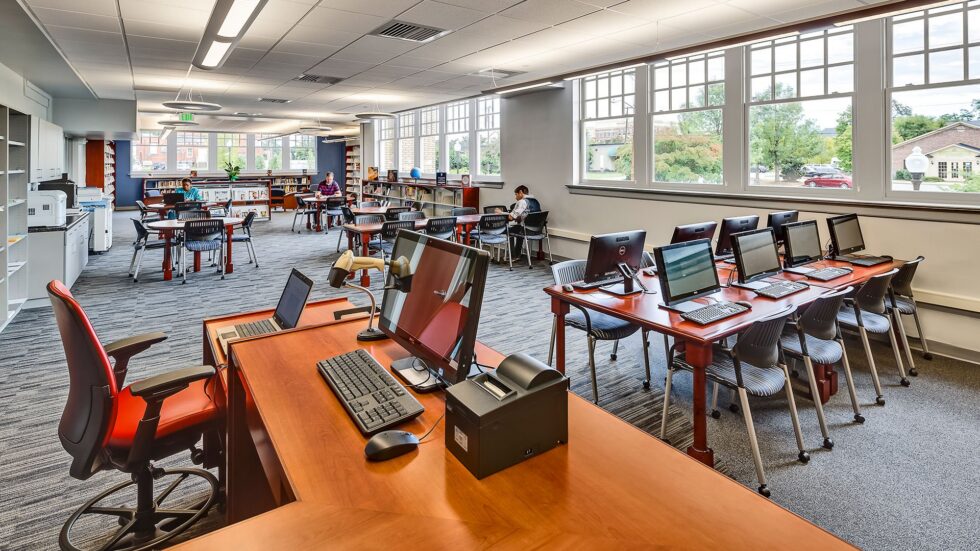
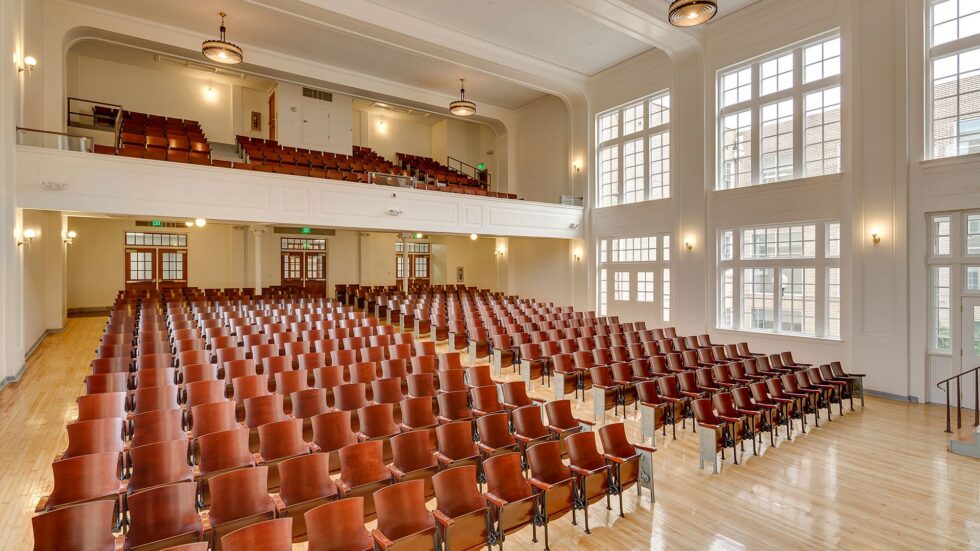
Not only were windows, doors, and ornamental features restored, but the 515-seat auditorium, the gymnasium, and the school’s former “master clock” were revived as well. The clock, which was formerly in the principal’s office, now holds approximately the same location where it sits in a computer lab.
“We would like their first thoughts when they come into this lobby to be ‘This is my school,’” Giles said.
We would like their first thoughts when they come into this lobby to be ‘This is my school
Henry Giles President, Spartanburg Community College
Former students who passed through the halls of the building have shown a special interest in the renovation.
“We’re proud,” said Pat Buie McKinney, a member of Spartanburg High School’s class of 1946. “We’re very tickled. One moment you think you’re walking down the same hallway, the next it’s a very different building.”
The school is also creating an archive of history and anecdotes from the building’s history, which includes efforts from its alumni, like the class of ‘46.
“I can’t get over how it’s the same school,” McKinney added. “Parts are still exactly the same. But it looks like something completely different. The bones are the same, but the rest is so new.”
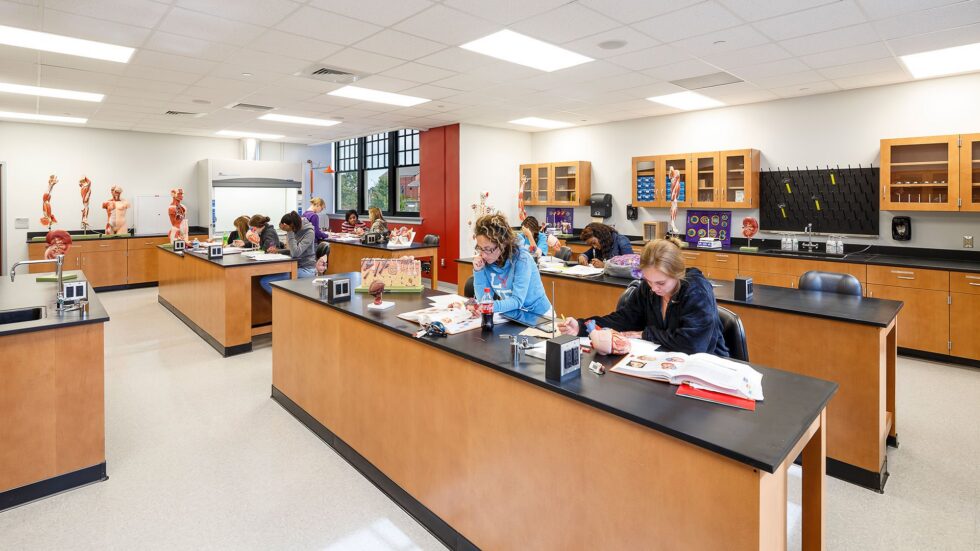
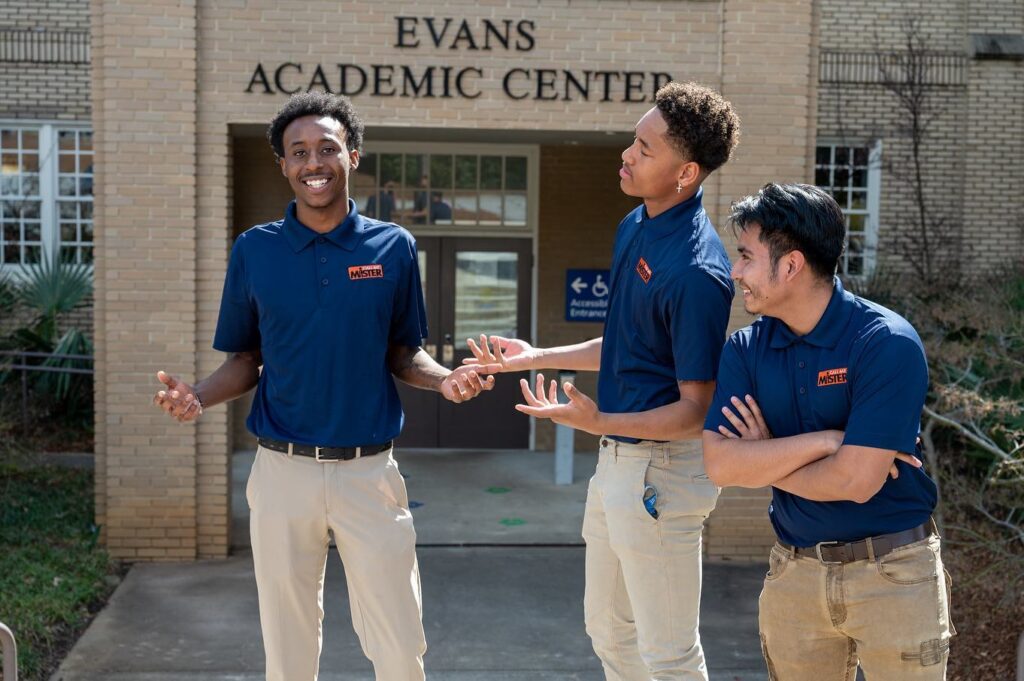
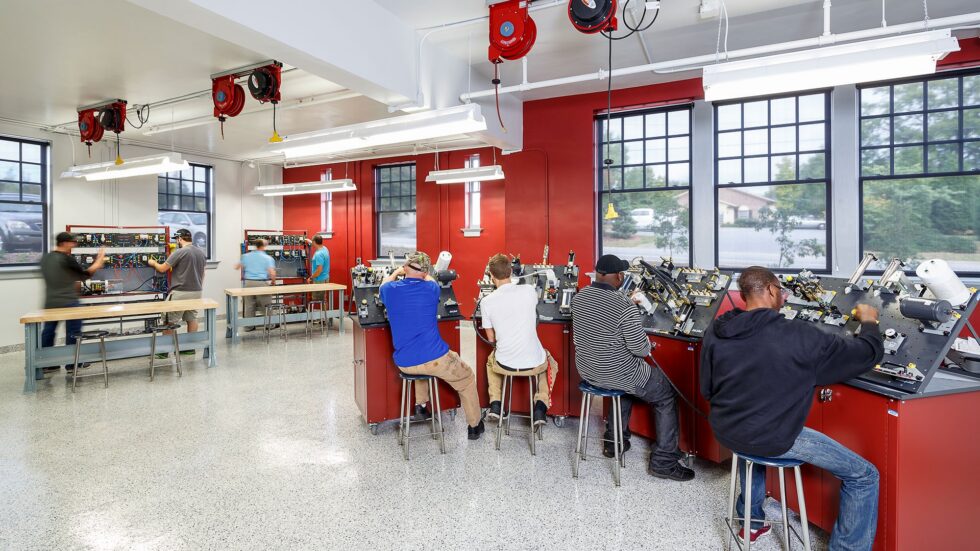
This state of the art structure revision provided 50 construction jobs, 40 permanent jobs, and now it houses a one-stop career center that offers comprehensive workforce development and job placement programs targeted to low income community residents. It helps train SCC students for service and manufacturing jobs and then receive the support they need to set themselves on a successful career path.
From the ground