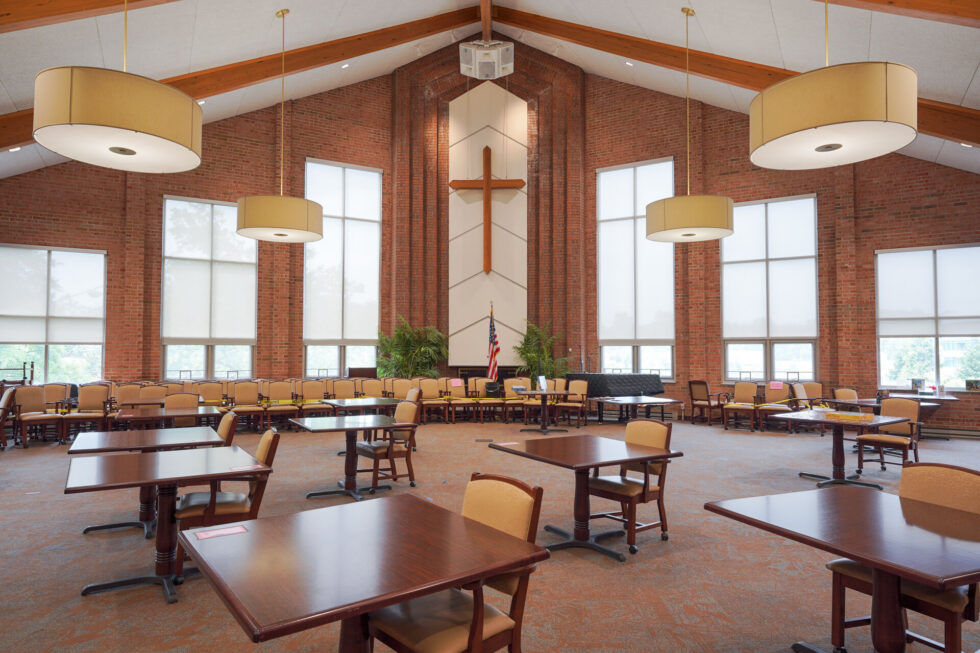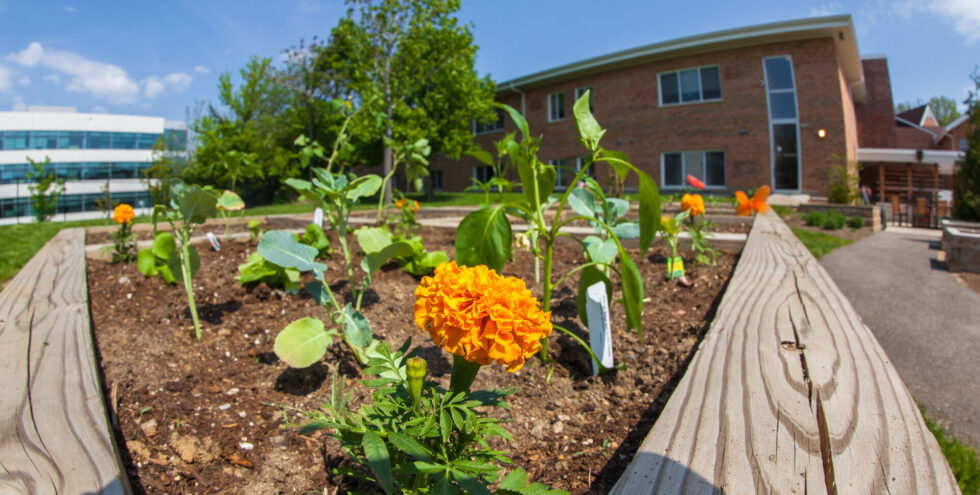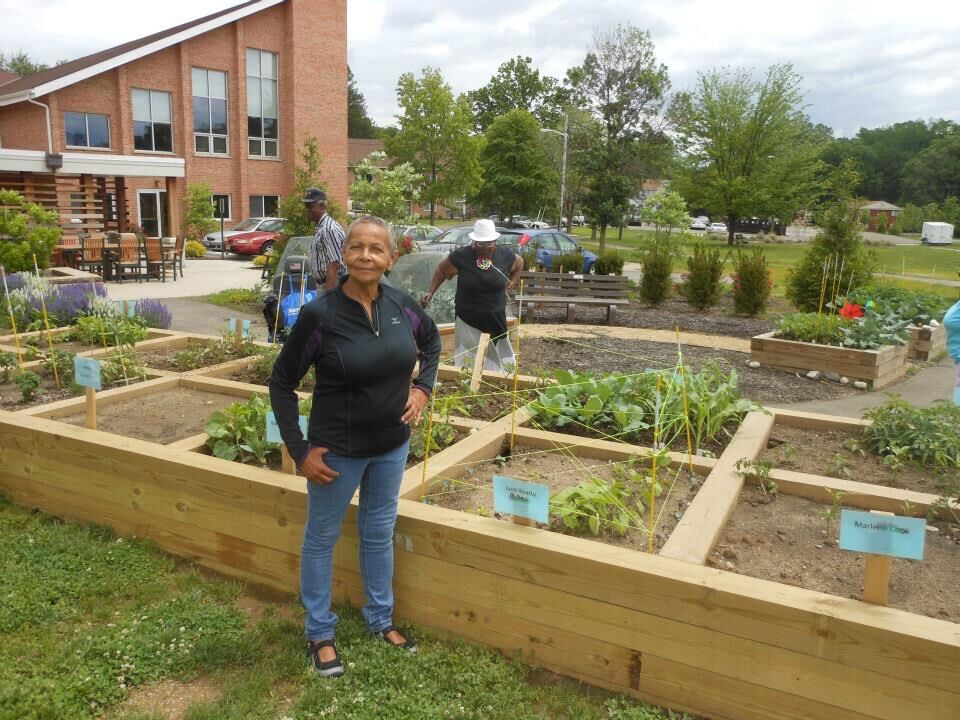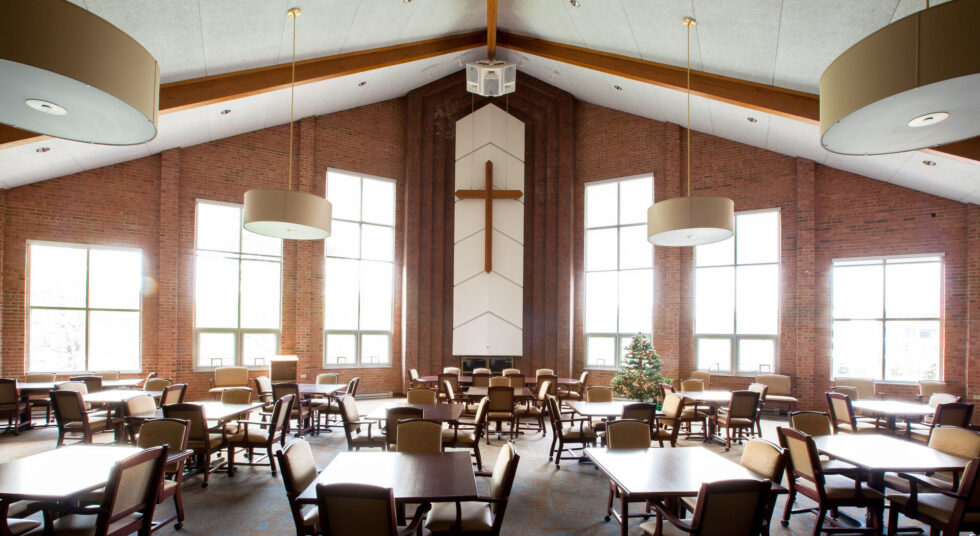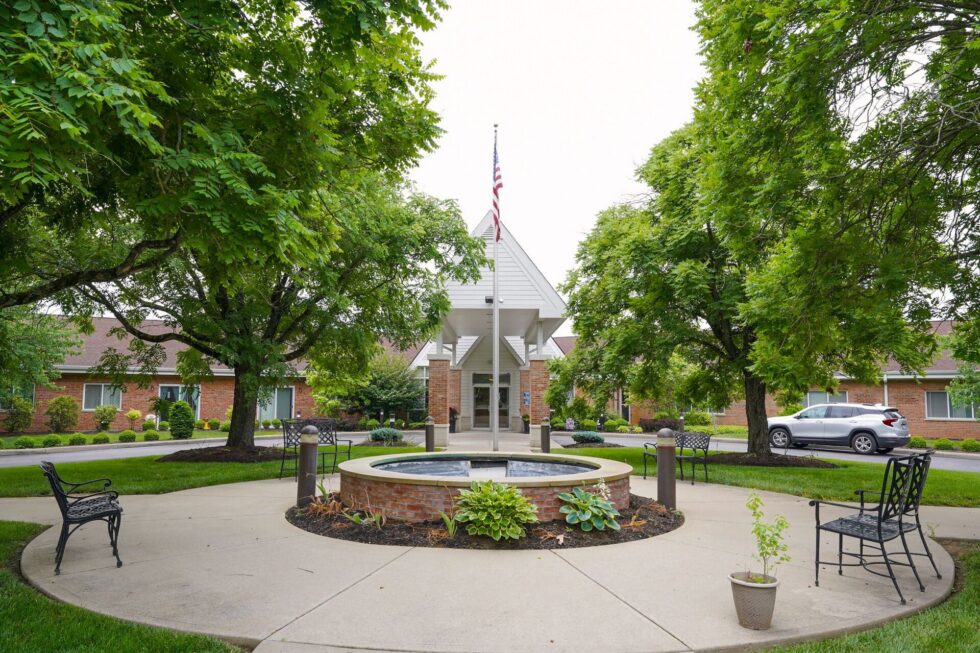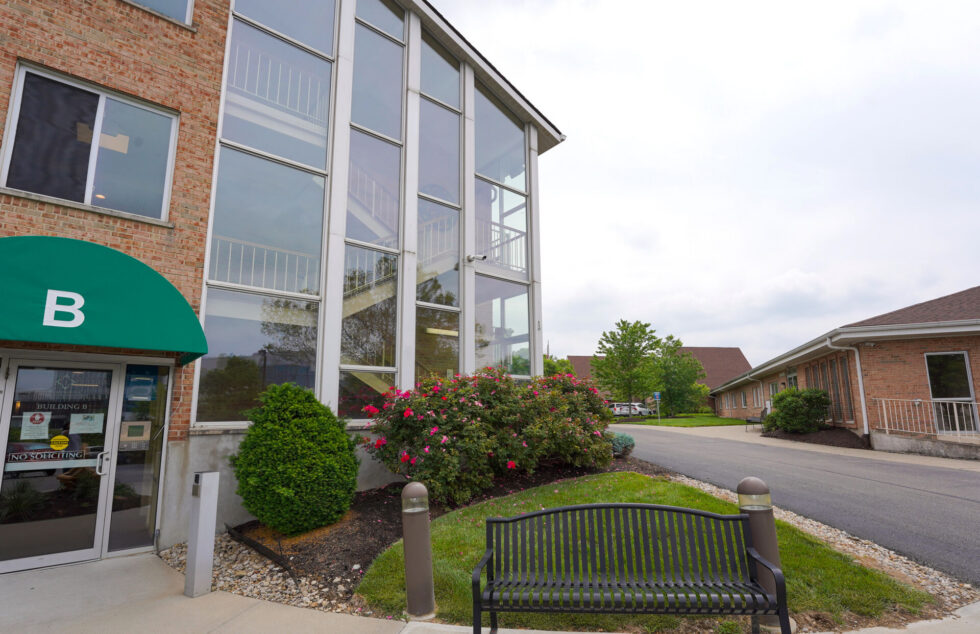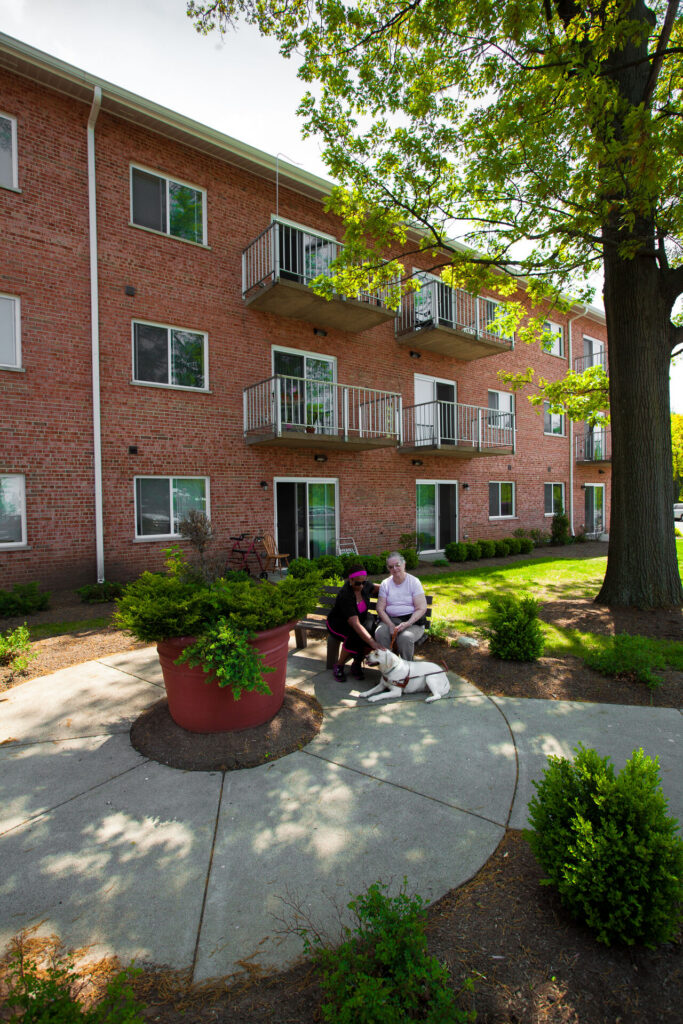
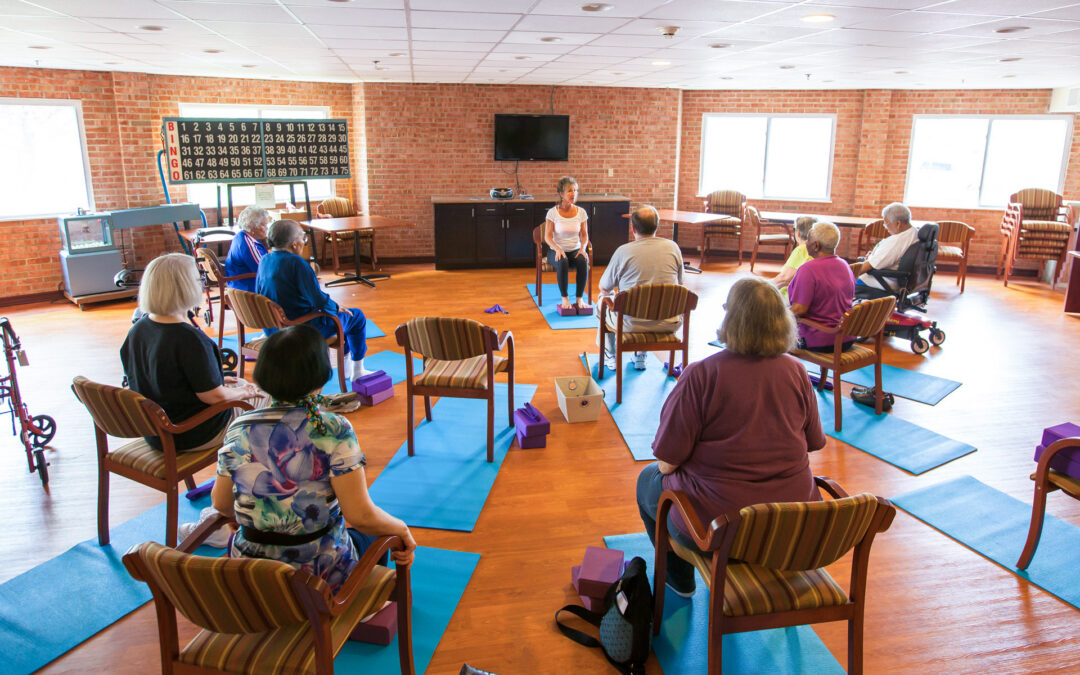
In 1971, four members of the St. Paul Lutheran Church out of Madisonville, Ohio led an effort to purchase about ten acres of nearby land and build a community for nearby low-income retirees. Built in the late 1970s as Section 236 housing, St. Paul Village provided that affordable housing. The property initially contained 103 units, made up of 82 efficiency units and 42 one-bedroom units.
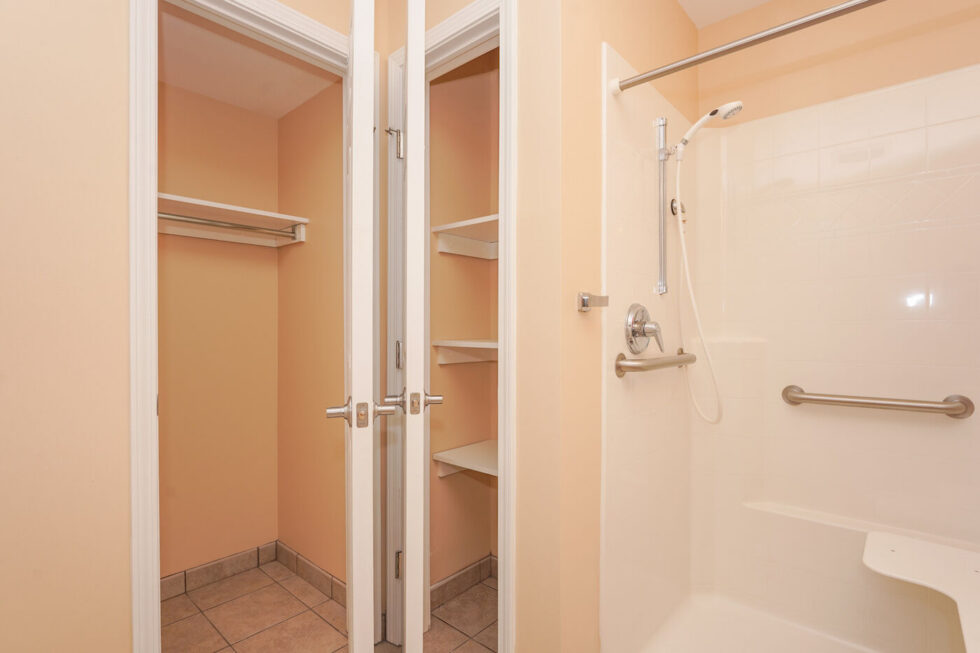
However, it deteriorated over time, and it eventually struggled to find renters. The building typically had 30 vacant smaller units at any given time, and consequently was unable to generate the cash flow it needed to remain financially viable. Jay Kittenbrink, the Executive Director of Development for Episcopal Retirement Homes (ERH, the property owners), had unsuccessfully attempted to refinance the property for five years.
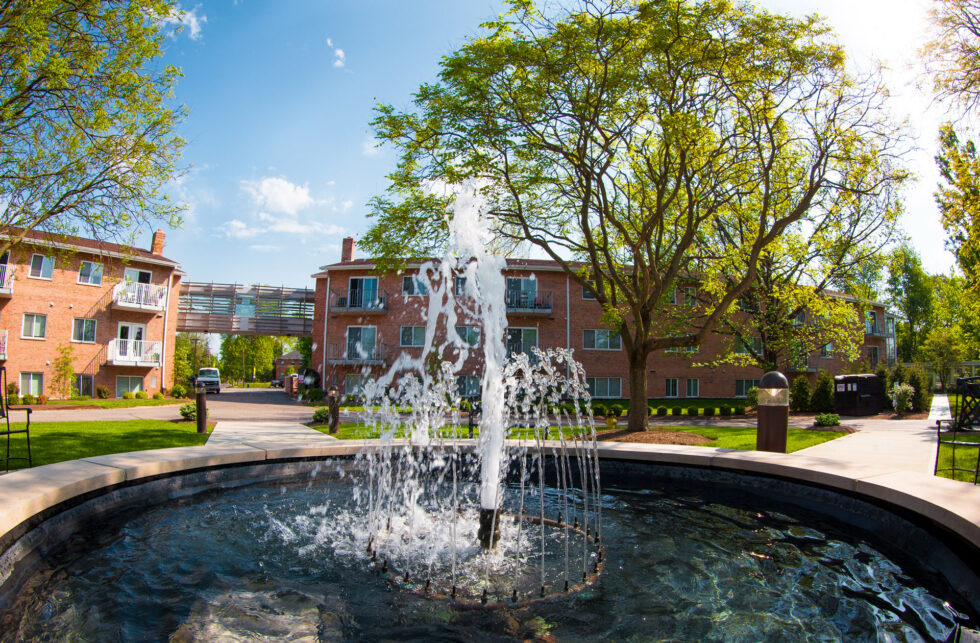
Jay’s father, Ken Kittenbrink was the head of the committee to start this project, and later resigned from the board to run St. Paul Village full-time.
“This was my father’s dream,” said Jay Kittenbrink. His dream was to provide a place where seniors stay independent as long as possible, a place that gives them purpose and dignity.”
Two factors helped to change the situation and bring St. Paul Village the funding it needed: the passage of the American Recovery and Reinvestment Act of 2009 (ARRA), and Kittenbrink’s studies in courses provided by Grow America.
$2.8
Million
ARRA funding
With the passage of the act, ERH was able to refinance the property between 2009 and 2010. It was a complicated process, involving $2.8 million ARRA funding, IRP Decoupling funds, equity associated with 9% Low Income Housing Tax Credits (LIHTCs), HOME funds from the City of Cincinnati, HUD Market-to-Market funding, a new 20-year HAP agreement, and 25 project-based vouchers from the Cincinnati Housing Authority, among other sources of support.
But Mr. Kittenbrink had taken four Grow America courses and became a certified Housing Development Finance Professional. He credits their training with helping him understand project pro formas and the nuances of structuring residential transactions.
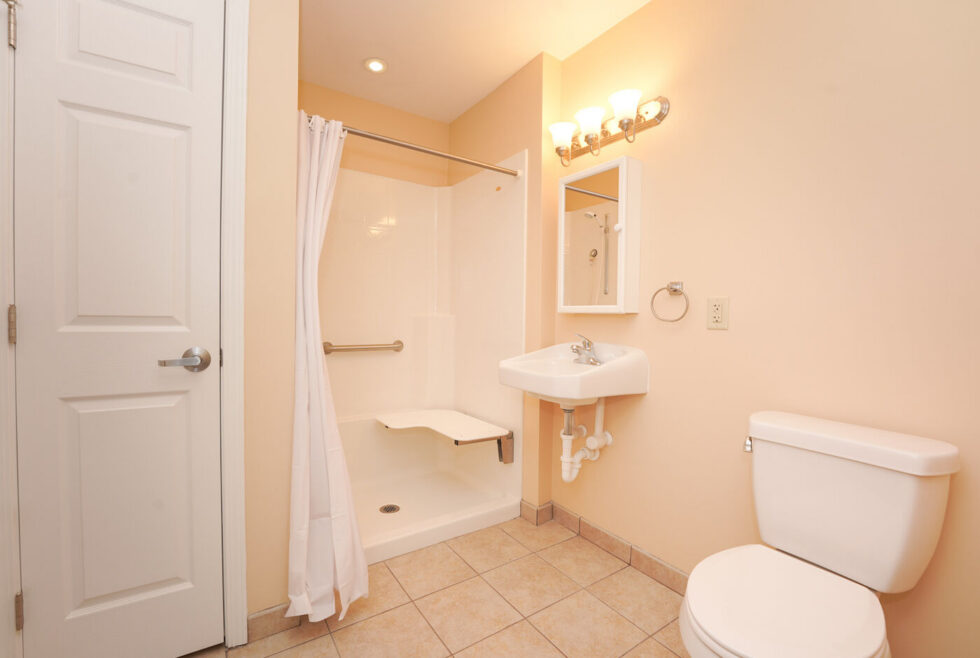
His expertise made the refinancing possible, and led to the rehabilitation of the building. Of the current tenants, 36% have incomes at or below 50% of the Cincinnati area median, and another 57% have incomes between 50% and 60% of the area median. After years of operating deficits, the building now generates positive cash flow while still maintaining its effectiveness as affordable housing.
“The success of this project has markedly improved the community’s perception of affordable housing,” according to Kittenbrink, “and spurred development which has contributed to the improvement of the broader Madisonville neighborhood.”
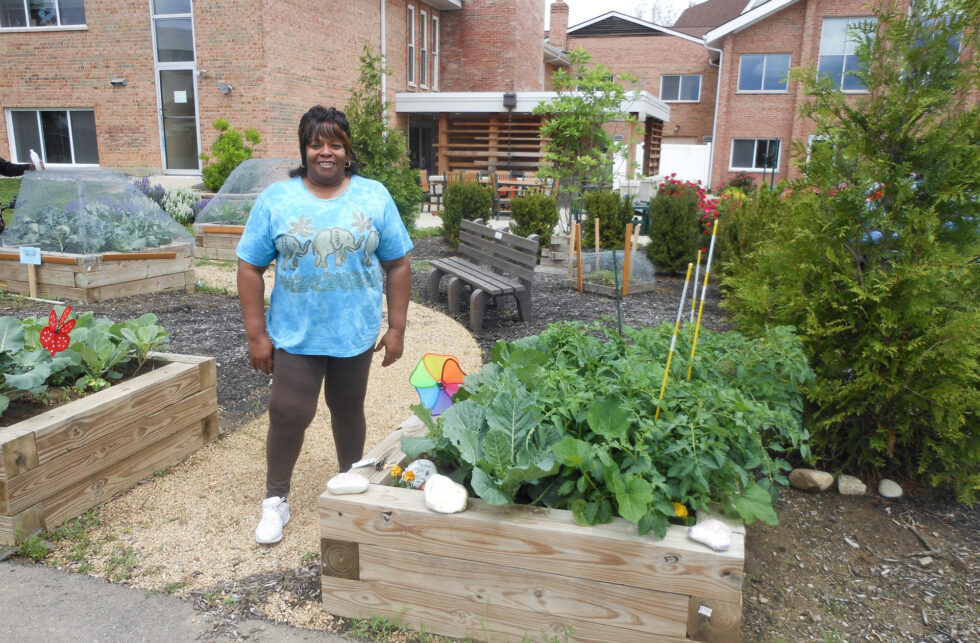
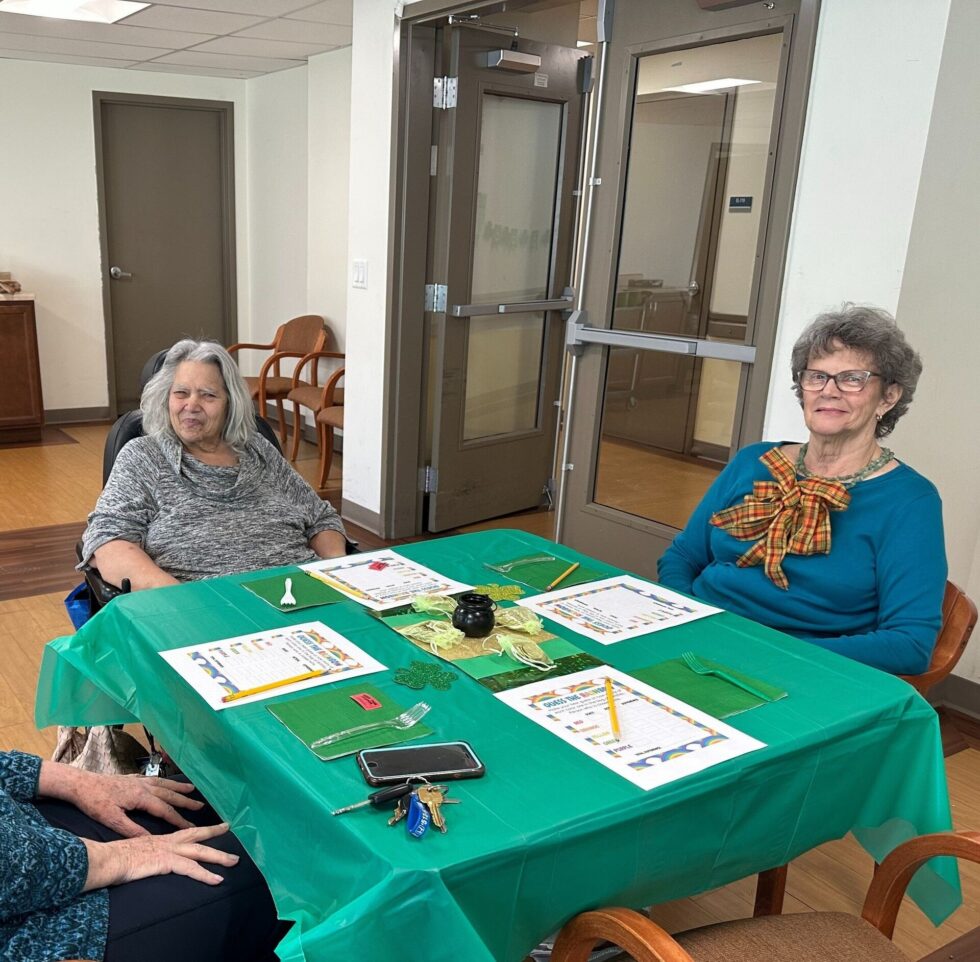
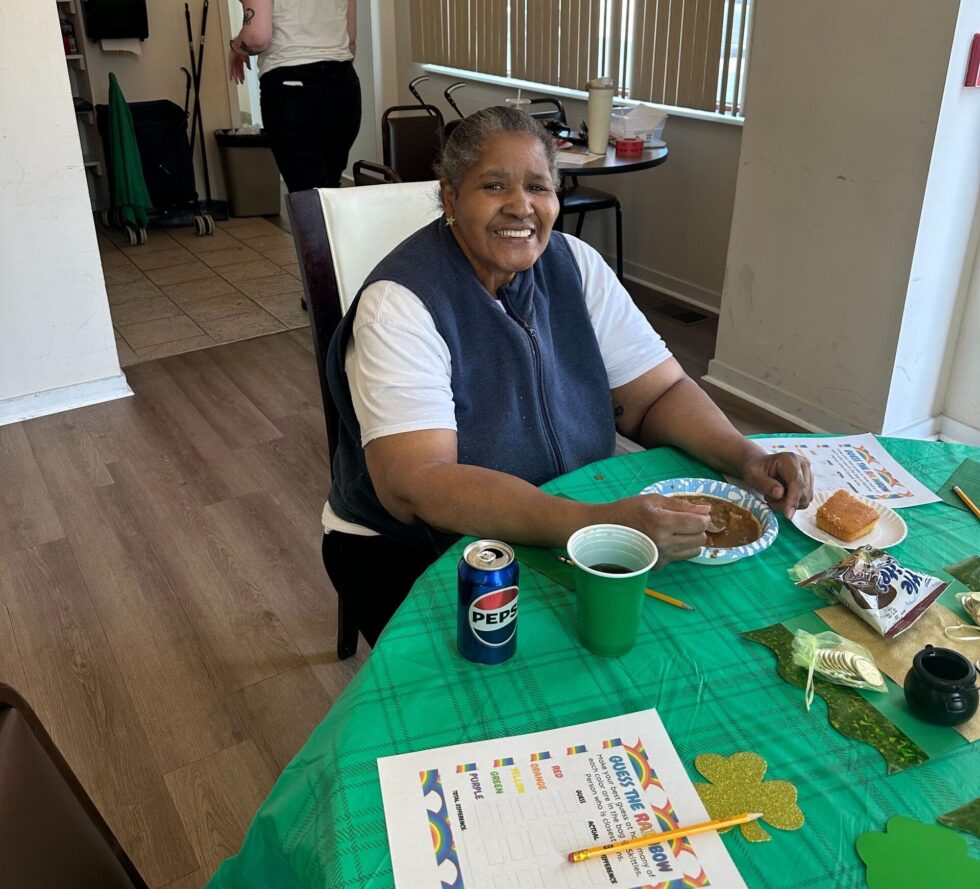
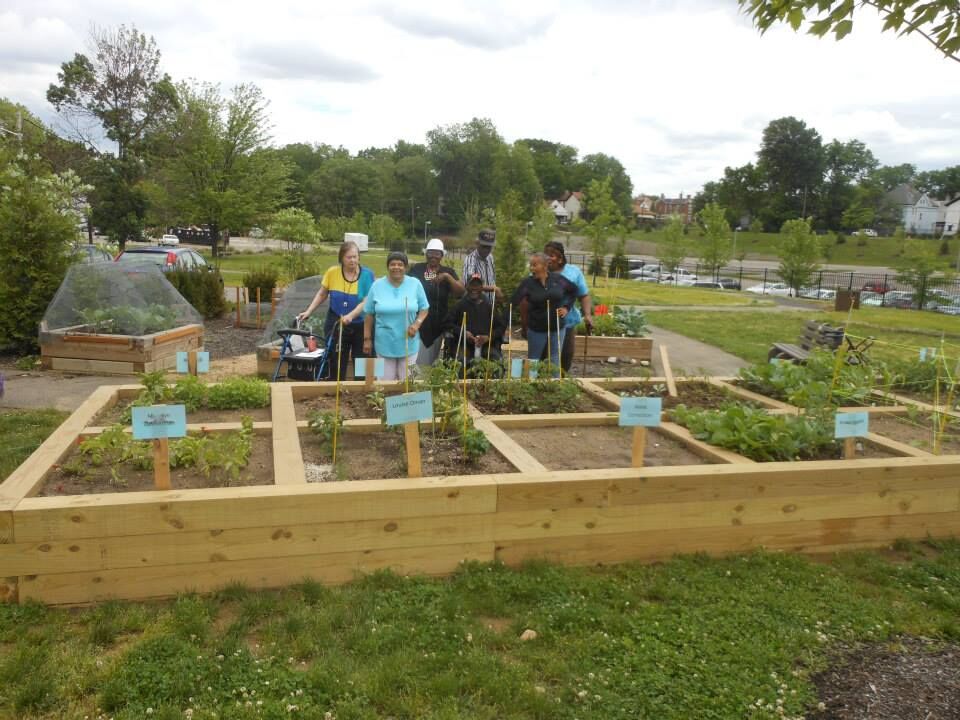
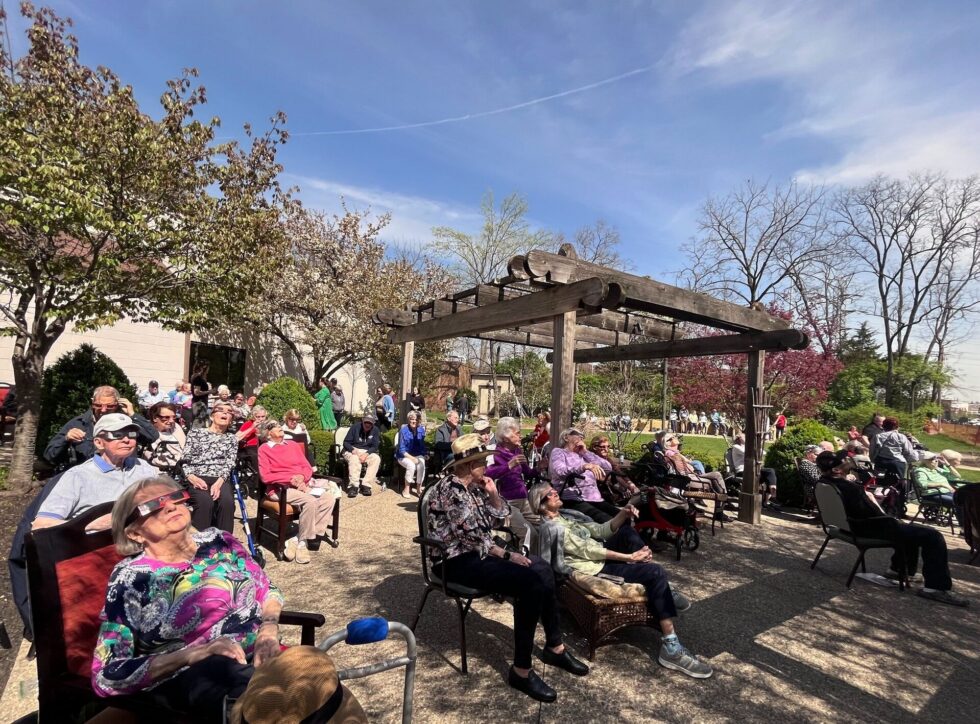
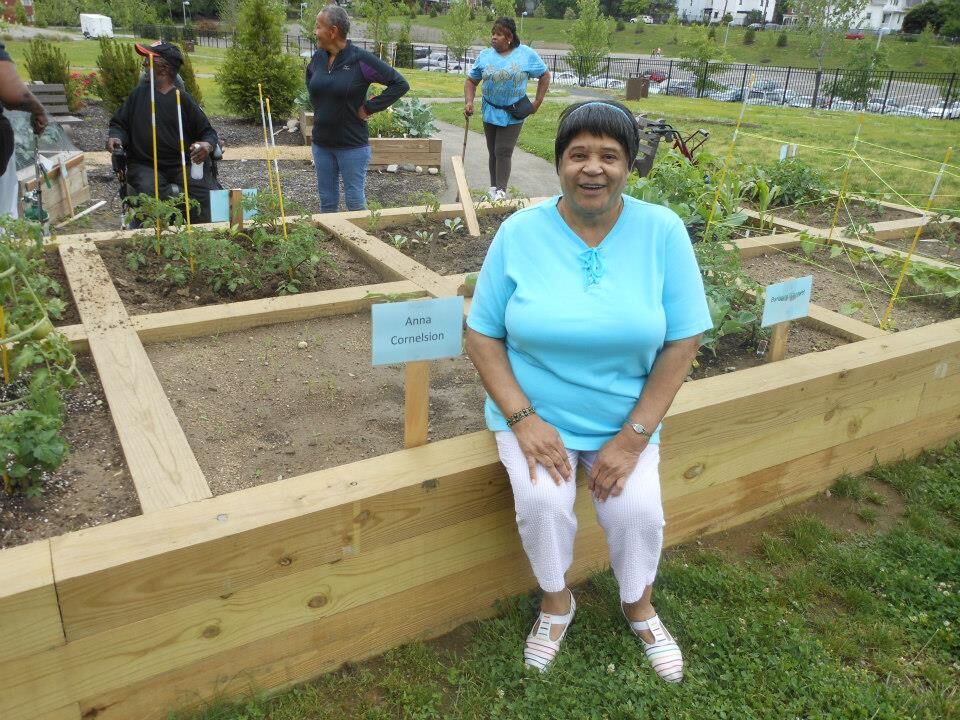
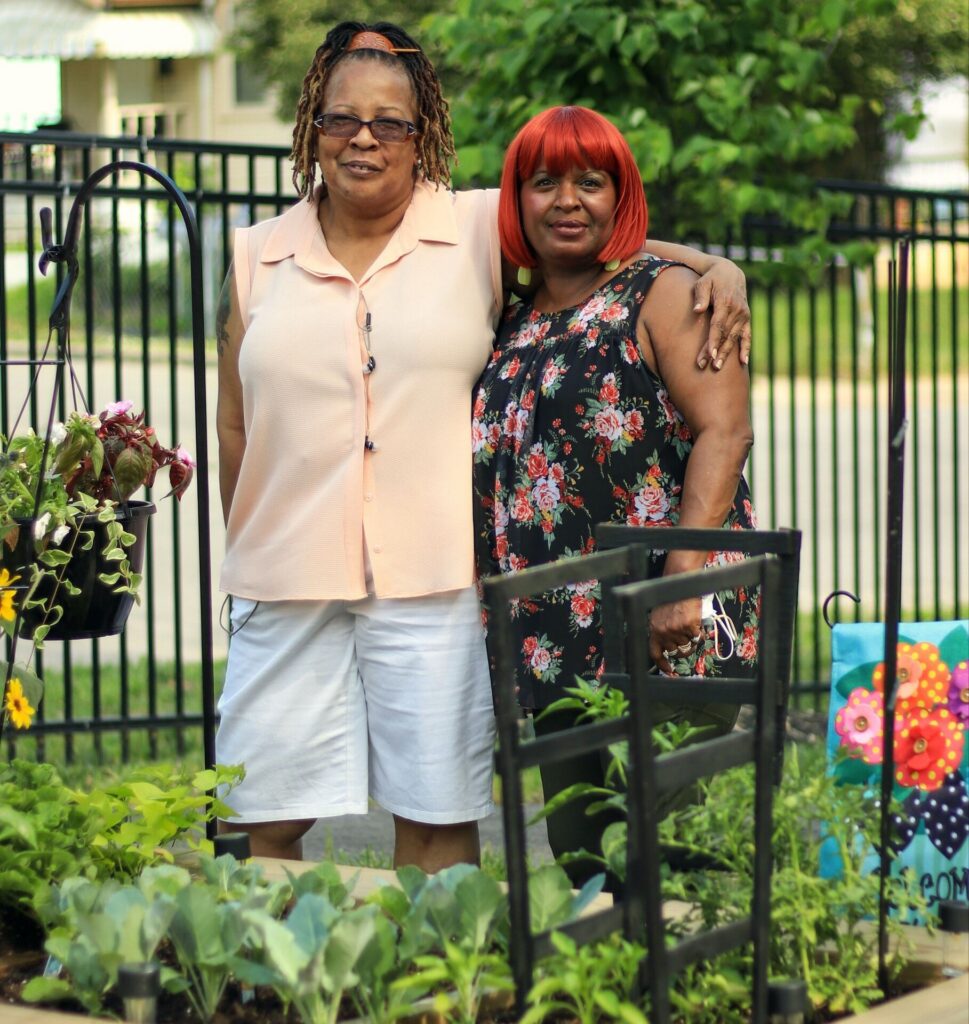
Some residents have lived in the building since the 1980s, and many of the staff members have worked there for over a decade. Many residents join the Village when they are in their 70s. But some spend their 80s and 90s there, and the Village has even celebrated the 100th birthday of some members.
“It’s been a joy serving in this area connected with the church, and that we’re able to give good housing to a lot of people,” said Norbert Henke, who worked with Ken Kittenbrink and Dick Bockstiegel to create the village. “In many cases, it’s probably the best housing they’ve had in their lives.”
“It was an absolute blessing that we put that building together,” said Bockstiegel.
Jay Kittenbrink, who semi-retired from his work at St. Paul Village in 2019, was still looking forward to staying involved with the community and helping out.
“I’m still going to be there for the fun stuff, the groundbreakings, the ribbon-cuttings, the celebrations of the work. With semi-retirement, I will be able to travel more, see the kids and the grandkids, play some more golf. And yes, still stay involved,” he said.
His efforts are surely appreciated throughout the community, and now he can enjoy retirement as well.
It’s been a joy serving in this area connected with the church, and that we’re able to give good housing to a lot of people
Norbert Henke
From the ground